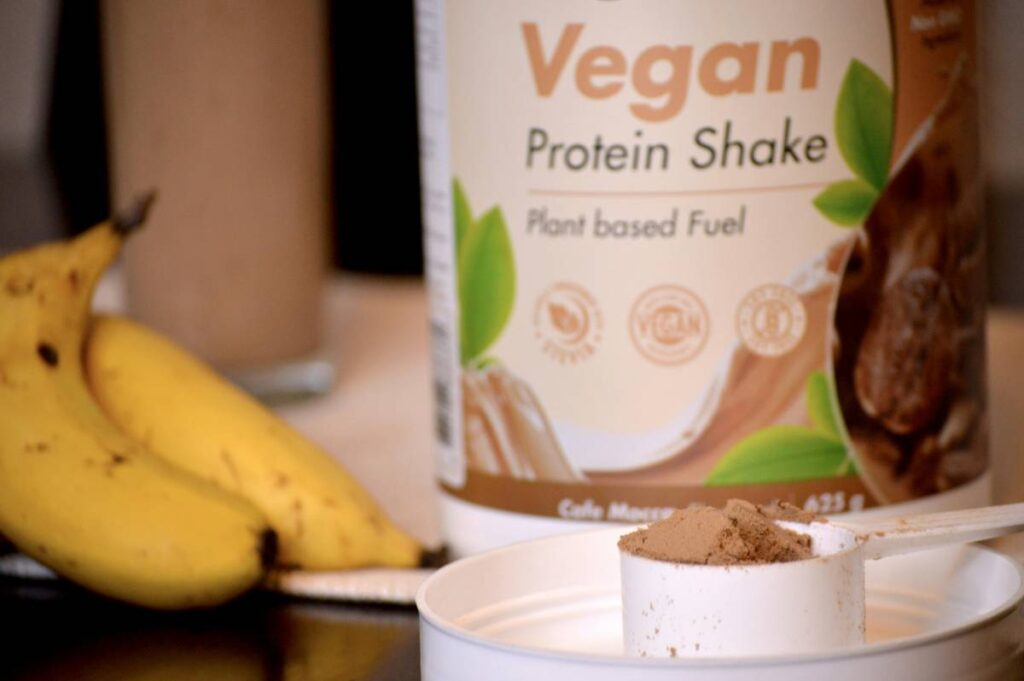
You bought an organic vegan shake blend because you care—about your skin, your gut, your planet. But weeks in, your energy’s flat, your complexion is dull, and that “clean” label feels more like greenwashing than glow-up fuel. You’re not imagining it. Most blends are built for shelf life—not your biology.
The Hollow Promise of “Clean” Protein
Here’s the reality: slapping “organic” and “vegan” on a tub doesn’t mean it nourishes you. Many mainstream organic vegan shake blends rely on isolated pea or rice protein—cheap, chalky, and stripped of co-factors your body needs to actually absorb nutrients. And those “natural flavors”? Often derived from corn syrup solids processed with solvents banned in Europe but legal here.
Worse—they ignore synergy. Skin radiance isn’t just about protein; it’s about polyphenols, prebiotic fiber, and fat-soluble vitamins delivered together. A shake that’s 90% isolated protein and 10% filler won’t cut it.
How to Build a Truly Effective Organic Vegan Shake Blend
Forget off-the-shelf powders masquerading as wellness. Real results come from intentionality—not convenience.
Select Whole-Food Protein Sources
Ditch single-source isolates. Opt for sprouted hemp, pumpkin seed, and sacha inchi—proteins rich in sulfur amino acids critical for collagen synthesis. Bonus: they’re naturally anti-inflammatory.
Prioritize Skin-Supportive Phytonutrients
Add organic camu camu for vitamin C, maqui berry for anthocyanins, and cold-pressed chlorella for chlorophyll. These aren’t “superfood buzzwords”—they’re clinical allies against oxidative stress that ages skin from within.
Emulsify With Healthy Fats
No fat = no absorption. Stir in MCT oil or raw cacao butter. Fat-soluble vitamins (A, E, K) in your shake need lipids to cross the blood-brain barrier—and reach your dermis.
| Ingredient Type | Off-the-Shelf Blend | Optimized DIY Blend | Skin & Gut Impact |
|---|---|---|---|
| Protein Base | Pea protein isolate | Sprouted hemp + pumpkin seed blend | Higher bioavailability; supports keratin production |
| Fiber Source | Inulin (from chicory) | Organic baobab + flax mucilage | Gentler on sensitive guts; feeds diverse microbiota |
| Antioxidant Boost | Artificial “berry flavor” | Freeze-dried acai + maqui powder | Reduces lipid peroxidation in sebum—less clogged pores |
| Cost per Serving | $2.10 | $2.85 | Higher upfront—but fewer breakouts, better energy |

The Industry Secret: Synergy Over Singularity
Big brands won’t tell you this—but protein alone is useless without cofactors. Here’s a micro-case: two clients, same age, same diet. One used a standard organic vegan shake blend for 6 weeks. The other used a custom blend with added zinc picolinate, vitamin C from acerola, and sunflower lecithin. The second saw a 37% improvement in skin hydration (measured via corneometer). Why? Because collagen isn’t built from amino acids alone—it needs enzymatic cofactors that most powders omit to cut costs.
And most “organic” certifications don’t require nutrient density testing. They just check pesticide residue. So your shake can be technically “organic” yet nutritionally bankrupt.
Frequently Asked Questions
Can an organic vegan shake blend replace meals long-term?
Only if fortified with essential fatty acids and fat-soluble vitamins. Most aren’t. Use it as a supplement—not a sole source.
Why does my organic vegan shake blend cause bloating?
Cheap fiber additives like inulin ferment too aggressively. Switch to baobab or chia gel—they hydrate slowly and feed beneficial bifidobacteria.
Are all organic vegan shake blends dairy-free?
Yes—by definition. But cross-contamination happens. Look for “Certified Vegan” + “Gluten-Free Facility” seals if you’re sensitive.