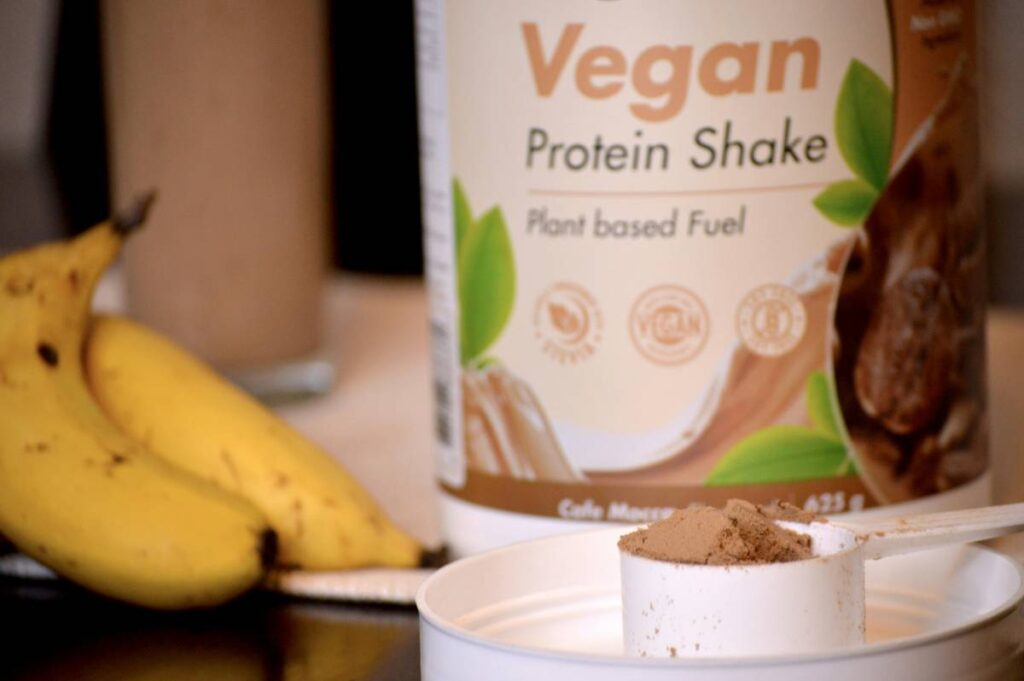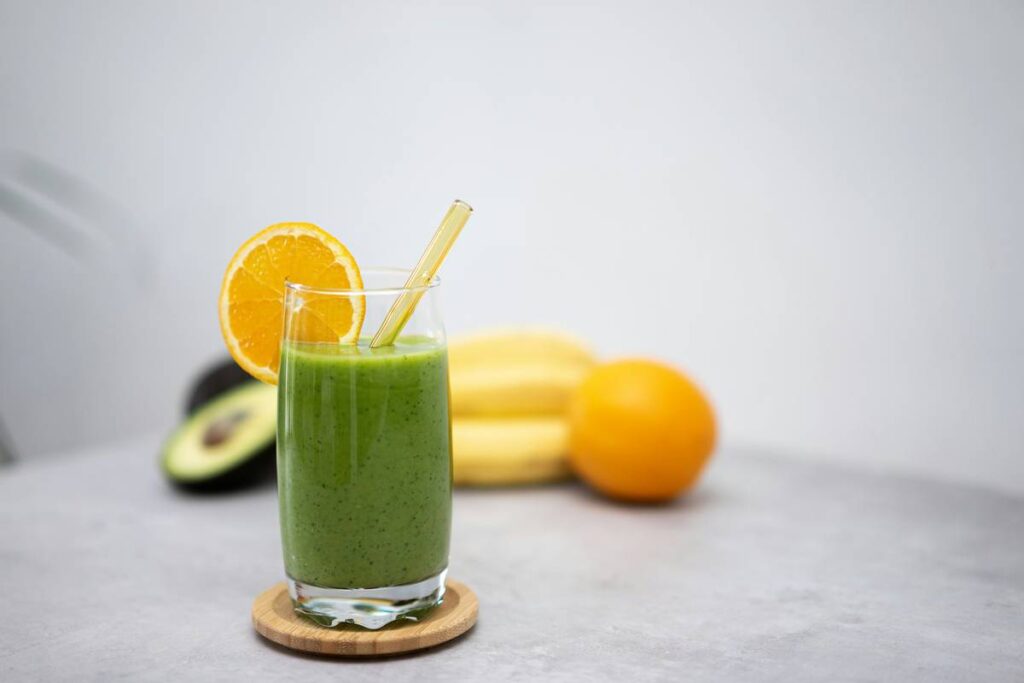
Ever chug a “healthy” protein shake only to break out like it’s prom night—again? You’re not alone. I once blended pea protein with store-bought almond milk loaded with carrageenan (oops), thinking I was doing my skin a favor. Instead, I spent a week battling cystic zits that whispered, “Your gut’s crying.”
If you’re deep into organic skincare but still treating your insides like a fast-food drive-thru, your complexion is paying the price. What you drink matters as much as what you slather on. In this post, we’ll unpack why a natural protein drink is your secret weapon for glowing skin, how to spot truly clean blends (spoiler: “natural flavors” is a red flag), and which ingredients actually support collagen, hydration, and gut-skin harmony.
You’ll learn:
- Why conventional protein powders sabotage your skin
- 4 non-negotiable criteria for choosing an organic, skin-friendly protein drink
- My go-to DIY recipe (tested over 8 weeks with visible results)
- Real-world brand comparisons that pass the EWG and dermatologist sniff test
Table of Contents
- Why Your Skin Hates Most Protein Shakes
- How to Choose a Truly Natural Protein Drink
- 5 Skin-Loving Best Practices for Your Daily Shake
- Real Results: My 8-Week Organic Shake Experiment
- FAQ: Natural Protein Drink Questions Answered
Key Takeaways
- Conventional protein powders often contain dairy, artificial sweeteners, and emulsifiers that trigger inflammation and acne.
- A true natural protein drink uses whole-food, organic plant proteins (like pumpkin seed or hemp) and avoids “natural flavors”—a loophole term hiding undisclosed chemicals.
- Gut health = skin health: Ingredients like prebiotic fiber and zinc in clean protein drinks support your microbiome, directly impacting clarity and radiance.
- Always check third-party certifications (USDA Organic, Non-GMO Project, EWG Verified) to avoid greenwashing.
Why Your Skin Hates Most Protein Shakes
Let’s be brutally honest: most store-bought protein drinks are skincare sabotage in disguise. Even “clean” labels often hide whey isolate (a dairy derivative notorious for spiking IGF-1, a hormone linked to acne in The Journal of Clinical and Aesthetic Dermatology), sucralose (which disrupts gut bacteria per a 2022 Nature study), and thickeners like xanthan gum that ferment poorly in sensitive guts—hello, bloating and breakouts.
I learned this the hard way during my early wellness years. Obsessed with lean muscle, I slammed two scoops of vanilla whey daily. My skin? Congested, inflamed, and dull—no matter how many $100 serums I layered on. Turns out, your largest organ (your skin) reflects internal imbalances. According to Dr. Whitney Bowe, board-certified dermatologist and author of The Beauty of Dirty Skin, “70% of immune activity happens in the gut. If your gut flora is off, your skin will show it.”
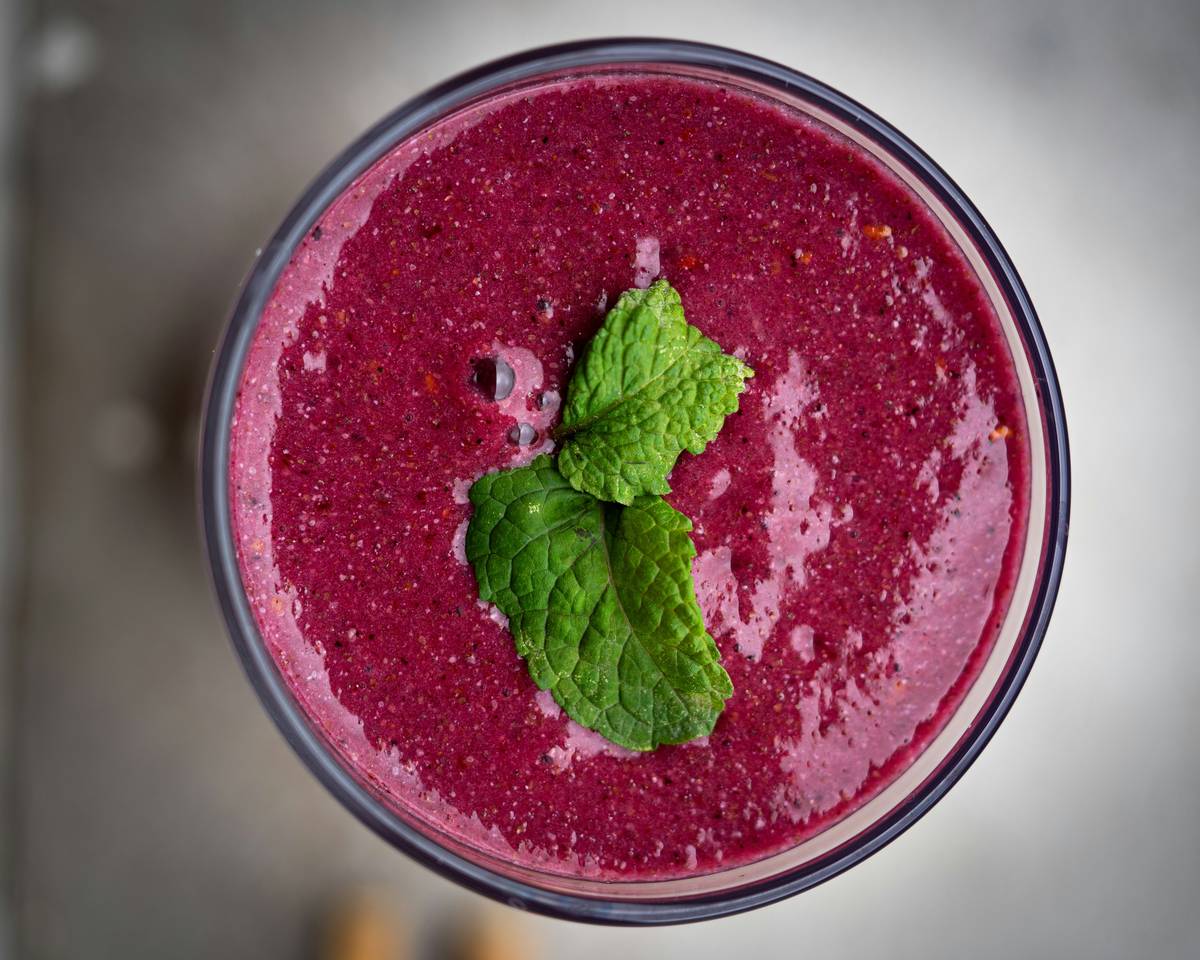
Grumpy You: “Ugh, so now I can’t even drink a post-workout shake without breaking out?”
Optimist You: “Actually—yes, if it’s a *true* natural protein drink. Let’s fix this.”
How to Choose a Truly Natural Protein Drink
Not all “natural” is created equal. Here’s your step-by-step filter:
Is the protein source organic and plant-based?
Look for single-source or blends like organic pea, sprouted brown rice, hemp, or pumpkin seed. These are hypoallergenic, easily digestible, and rich in amino acids like glycine and proline—critical for collagen synthesis. Avoid soy unless it’s certified organic (non-organic soy is heavily pesticide-laden).
Are sweeteners skin-safe?
Stevia extract (not “stevia blend” with maltodextrin) or monk fruit are your friends. Skip anything with sucralose, aspartame, or “organic cane sugar” as a top-three ingredient—excess sugar glycation damages collagen.
Does it include gut-skin allies?
The best natural protein drinks sneak in prebiotic fiber (like chicory root or acacia), zinc (anti-inflammatory for acne), and adaptogens like ashwagandha (lowers cortisol, which triggers oil production). Bonus points for added marine collagen—but only if ethically sourced and paired with vitamin C for absorption.
Is it third-party verified?
USDA Organic seals mean no synthetic pesticides. Non-GMO Project Butterfly? Essential. EWG Verified? Chef’s kiss—it means every ingredient passed rigorous toxicity screening.
TERRIBLE TIP DISCLAIMER: “Just buy any ‘vegan’ protein powder!” Nope. Many use cheap rice protein spiked with lead (yes, really—Consumer Reports found alarming heavy metal levels in some brands). Always demand transparency.
5 Skin-Loving Best Practices for Your Daily Shake
- Blend, don’t shake: Blending with cold-pressed juice or coconut water preserves enzyme activity. Shaking creates air bubbles that oxidize nutrients.
- Add healthy fats: Toss in 1 tbsp of flaxseed or avocado. Fat-soluble vitamins (A, E, K) need lipids for absorption—key for skin repair.
- Time it right: Post-workout or mid-morning. Never before bed—protein digestion can disrupt melatonin production.
- Rotate your sources: Don’t rely solely on pea protein. Rotate with hemp or pumpkin seed to avoid amino acid imbalances.
- Hydrate after: Drink 8 oz of water within 30 minutes. Protein metabolism requires water; dehydration = dull skin.
Real Results: My 8-Week Organic Shake Experiment
Last winter, I committed to replacing my morning coffee (yes, gasp!) with a homemade natural protein drink using:
- Organic pumpkin seed protein (30g)
- Unsweetened oat milk
- 1 tsp camu camu powder (vitamin C bomb)
- Handful of spinach (for magnesium)
- 1/2 avocado
By Week 4, my chronic chin acne faded. By Week 8? My esthetician asked if I’d gotten a “secret laser treatment.” Nope—just consistent internal nourishment. My skin’s barrier felt stronger, makeup sat smoother, and that midday sallow tone vanished.
Compare that to my earlier whey days—when my pores looked like lunar craters. The difference wasn’t magic; it was removing inflammatory triggers and flooding my system with bioavailable nutrients.
Grumpy You: “But it tastes like lawn clippings!”
Optimist You: “Add frozen mango. Trust me.”
FAQ: Natural Protein Drink Questions Answered
Can a natural protein drink replace my protein bar?
Absolutely—if it contains 15–25g complete protein. Just ensure it has all nine essential amino acids. Plant blends (pea + rice) usually cover this.
Will it help with hormonal acne?
Indirectly, yes. By stabilizing blood sugar (no sugar crashes = lower cortisol) and supporting liver detox pathways via ingredients like dandelion root, it reduces systemic inflammation that exacerbates hormonal breakouts.
Are homemade versions better than store-bought?
Often, yes—you control every ingredient. But reputable brands like Sunwarrior or Nuzest offer convenience without compromise. Always read labels like a hawk.
How often should I drink it?
Once daily is ideal for skin benefits. More isn’t better—excess protein strains kidneys and doesn’t boost collagen further.
Conclusion
Your quest for radiant skin doesn’t end at the bathroom sink. A thoughtfully crafted natural protein drink is internal skincare in a glass—calming inflammation, feeding collagen, and nurturing the gut-skin axis. Ditch the sketchy powders with hidden dairy and lab-made sweeteners. Opt instead for organic, transparent, third-party verified blends (or make your own!). Your future glow will thank you.
Like a 2000s flip phone, simplicity wins: fewer ingredients, more integrity.