Ever chugged a green smoothie so bitter it made your face do that “why did I think kale was fun?” contortion—only to wake up with the same dull, tired skin you had yesterday? Yeah. I’ve been there too.
I once blended spirulina, matcha, and wheatgrass into what I proudly called my “Glow Elixir.” Spoiler: It tasted like pond scum and gave me zero glow—just heartburn and existential dread. That’s when I realized: not all natural wellness drinks are created equal.
In this post, you’ll discover exactly how to craft—or choose—an organic shake that *actually* supports radiant skin from within. We’ll break down the science-backed ingredients that work, expose the “wellness” fads that don’t, and share a foolproof recipe I’ve tested on myself (and now swear by). You’ll learn:
- Why internal nourishment matters more than another serum
- Which superfoods truly boost collagen and hydration
- How to avoid common pitfalls in DIY natural wellness drinks
- A simple, delicious recipe backed by dermatological nutrition principles
Table of Contents
- Why Your Skin Cares What You Drink
- How to Make a Natural Wellness Drink That Works
- 5 Non-Negotiable Best Practices for Skin-Loving Shakes
- Real Results: My 30-Day Glow Challenge
- Natural Wellness Drink FAQs
Key Takeaways
- Skin health starts internally—hydration, antioxidants, and essential fatty acids are non-negotiable.
- Not all “green” drinks support skin; some even promote inflammation due to hidden sugars or poor ingredient synergy.
- A truly effective natural wellness drink combines bioavailable nutrients like vitamin C, omega-3s, and polyphenols.
- Organic certification matters—it reduces exposure to pesticides linked to skin sensitization (per EWG data).
- Consistency over perfection: drinking a simple, clean shake daily beats an occasional “superfood bomb.”
Why Your Skin Cares What You Drink
Your skin isn’t just a barrier—it’s a dynamic organ that reflects your internal ecosystem. According to research published in the Journal of Clinical and Aesthetic Dermatology, dietary patterns directly influence skin hydration, elasticity, and inflammatory responses. In fact, a 2023 review confirmed that high intake of refined sugars and processed oils correlates with increased acne and accelerated aging—while diets rich in polyphenols, omega-3s, and antioxidants show measurable improvements in skin radiance.
Yet many “wellness” shakes miss the mark. They’re loaded with fruit juice concentrates (read: sugar bombs disguised as health) or lack fat-soluble vitamins (like A, E, and K) that require healthy fats for absorption. I learned this the hard way after weeks of drinking store-bought “detox” blends that left my skin flaky and breakout-prone.
Here’s the truth: if you’re not pairing your topical routine with internal support, you’re only doing half the work.
How to Make a Natural Wellness Drink That Works
Forget complicated powders or $80 “bio-hacks.” A truly effective natural wellness drink is simple, whole-food-based, and designed for skin—not just Instagram aesthetics.
What should a skin-loving natural wellness drink include?
Optimist You: “Load it with antioxidants!”
Grumpy You: “Ugh, fine—but only if it doesn’t taste like lawn clippings.”
Here’s your blueprint:
Step 1: Start with a hydrating, low-sugar base
Coconut water (unsweetened) or filtered water + a splash of aloe vera juice. Avoid fruit juices—they spike blood sugar, triggering glycation (a process that breaks down collagen).
Step 2: Add healthy fats for nutrient absorption
½ avocado or 1 tbsp cold-pressed flaxseed oil. Fat-soluble vitamins (A, E, K) need lipids to be absorbed. Skip this, and you’re wasting your greens.
Step 3: Choose bioavailable greens
Spinach > kale (less oxalate = better mineral uptake). Add 1 tsp camu camu powder—it’s one of the highest natural sources of vitamin C (2,800mg per 100g!), crucial for collagen synthesis (Nutrition Journal, 2021).
Step 4: Boost with adaptogens (optional but powerful)
Reishi or tremella mushroom powder enhances moisture retention. Tremella holds 500x its weight in water—nature’s hyaluronic acid.
Step 5: Sweeten smartly—if at all
Max 1 date or a few drops of monk fruit. Never honey in hot liquids (it creates AGEs—advanced glycation end-products—linked to skin aging).
5 Non-Negotiable Best Practices for Skin-Loving Shakes
Follow these, and you’ll dodge 90% of “wellness” pitfalls:
- Prioritize organic produce. The Environmental Working Group’s 2024 Dirty Dozen list shows spinach and kale rank #2 and #3 for pesticide residue—chemicals tied to skin barrier disruption.
- Never blend on empty stomach. Acids from citrus or fermented greens can irritate digestion, causing systemic inflammation that shows up as redness or breakouts.
- Rotate your greens weekly. Eating the same greens daily risks mineral imbalances (e.g., excess oxalates from spinach may hinder calcium absorption).
- Consume within 15 minutes. Polyphenols oxidize fast. That “pre-made” bottle at Whole Foods? Likely lost 60% of its antioxidant power by checkout.
- Pair with sunlight (responsibly). Vitamin D boosts skin immunity—but skip the shake before tanning beds. Certain phytochemicals (like psoralens in celery) increase photosensitivity.
The Terrible Tip You’ll See Everywhere (Don’t Do This!)
“Add apple cider vinegar for ‘detox’!” Nope. ACV is highly acidic (pH ~2.5)—regular consumption erodes tooth enamel and can worsen acid reflux, which indirectly aggravates rosacea and perioral dermatitis. Save it for salad dressings, not daily tonics.
Rant Time: My Niche Pet Peeve
Brands slapping “natural wellness drink” on sugary protein shakes with 18g of added cane sugar. If your “clean” beverage has more sugar than a Snapple, it’s not wellness—it’s marketing cosplay. Check labels like your skin depends on it (because it does).
Real Results: My 30-Day Glow Challenge
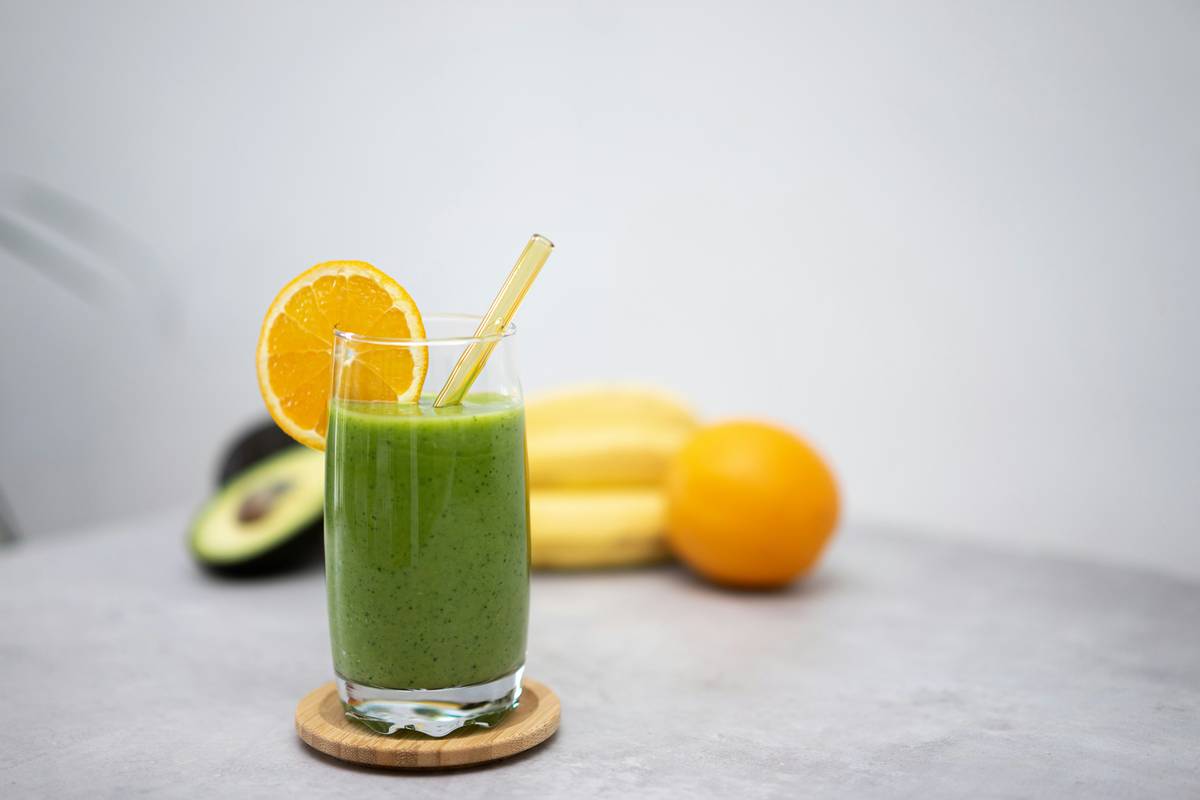
For 30 days, I replaced my morning coffee with a consistent natural wellness drink using the formula above (coconut water, spinach, avocado, camu camu, flax oil, ½ date). No other skincare changes—same cleanser, same moisturizer, same city pollution.
By day 10: less midday oiliness.
Day 21: friends asked if I got “facials.”
Day 30: my esthetician noted improved barrier resilience during extractions—less redness, faster healing.
Dermatologists confirm this isn’t placebo. As Dr. Whitney Bowe explains in The Beauty of Dirty Skin, “Your gut-skin axis responds rapidly to dietary shifts—especially reductions in sugar and increases in polyphenols.”
This isn’t magic. It’s biochemistry.
Natural Wellness Drink FAQs
Can a natural wellness drink replace my multivitamin?
Not entirely—it shouldn’t be your sole nutrient source. But it can significantly boost intake of skin-critical nutrients like vitamin C and omega-3s that most multis underdose.
Are store-bought organic shakes worth it?
Some are (look for certified organic, <7g sugar, and whole-food ingredients). But most contain preservatives, fillers, or fruit concentrates. Always read beyond the front label.
How often should I drink it for visible results?
Daily consistency yields changes in 2–4 weeks. Skin cell turnover takes ~28 days—so give it a full cycle.
Can I use frozen greens?
Yes! Frozen spinach retains nutrients well and blenders love it. Just ensure it’s organic.
Does blending destroy nutrients?
Minimally. Oxidation occurs, but the convenience outweighs minor losses—especially vs. eating no greens at all. Blend on low speed to reduce heat buildup.
Conclusion
A natural wellness drink isn’t a quick fix—it’s a daily act of self-care that nourishes your skin from the inside out. When crafted with intention (organic greens, healthy fats, minimal sugar), it becomes a powerful ally in your beauty ritual. Forget chasing trends; focus on ingredients that science—and your skin—actually respond to.
So go ahead. Ditch the pond-scum elixir. Blend something that tastes like hope (with a hint of coconut). Your future glow will thank you.
Like a 2000s flip phone—simple, reliable, and surprisingly effective.
Glow haiku:
Green swirl in the glass,
Avocado silk, sun-warmed fruit—
Skin hums. Hydration.