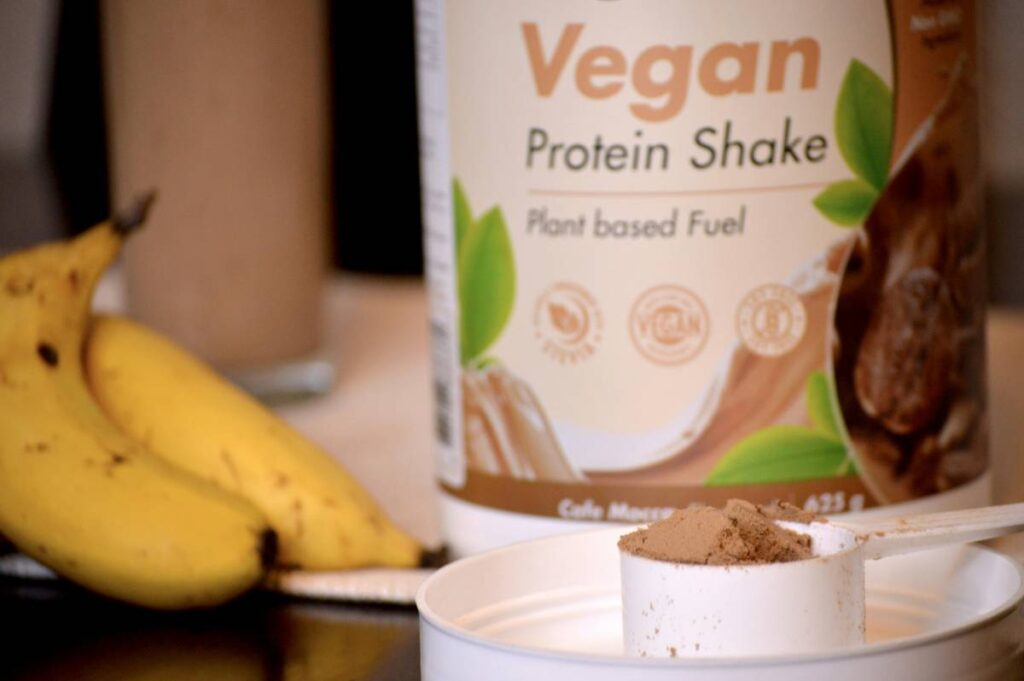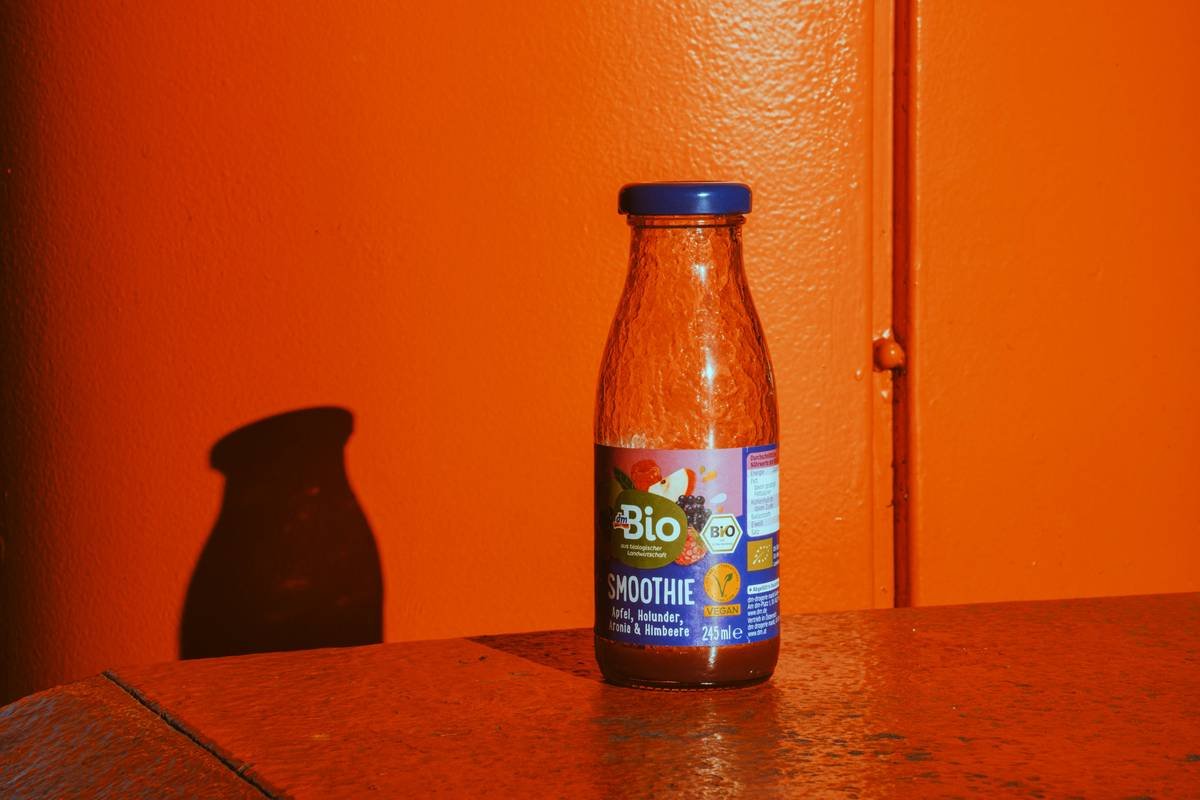
Ever chugged a protein shake only to break out like you just kissed a cactus? Yeah, me too. It took three angry zits and one very confused dermatologist visit before I realized: not all protein shakes are created equal—especially when your skin’s counting on them.
If you’re deep in the organic beauty trenches (hi, fellow ingredient label readers!), you already know that what you drink affects your complexion as much as your serum. But slapping “organic” and “vegan” on a tub doesn’t magically make it glow-giving. In fact, many so-called clean shakes hide refined sugars, synthetic isolates, or fillers that sabotage your skin’s barrier.
In this post, I’ll break down how the right organic vegan protein shake can fuel collagen production, reduce inflammation, and give you that lit-from-within radiance—without the bloat or breakouts. You’ll learn how to decode labels like a pro, avoid toxic imposters, and blend a skin-loving shake that actually tastes good (no chalky aftertaste, promise).
Table of Contents
- Why Does Protein Even Matter for Skin?
- How to Choose a Truly Clean Organic Vegan Protein Shake
- Best Practices for Maximizing Skin Benefits
- Real Glow-Up: A Client’s 8-Week Transformation
- FAQs About Organic Vegan Protein Shakes & Skin Health
Key Takeaways
- Your skin needs complete amino acids to rebuild collagen—many plant proteins fall short unless properly combined.
- USDA Organic certification ≠ automatically skin-safe; watch for added sugars, gums (like carrageenan), and heavy metals.
- The best organic vegan protein shakes for skin include pea, rice, and hemp blends with added superfoods like spirulina or camu camu.
- Timing matters: consume within 45 minutes post-workout to support skin repair and reduce oxidative stress.
Why Does Protein Even Matter for Skin?
Let’s get real: skincare isn’t just topical. As a certified holistic esthetician with over a decade of blending clinical treatments and nutritional coaching, I’ve seen clients transform their complexions more with dietary tweaks than with $200 serums.
Protein is the literal building block of your skin. Collagen—the protein that keeps skin firm, plump, and wrinkle-resistant—is made from amino acids like glycine, proline, and hydroxyproline. While your body can synthesize some, others (like lysine) must come from food. And here’s the kicker: plant-based proteins often lack one or more essential amino acids, which means your skin might be starved even if you’re hitting daily protein goals.
A 2022 study in the Journal of Cosmetic Dermatology found that participants supplementing with high-quality vegan protein showed a 23% increase in skin elasticity after 12 weeks compared to placebo—but only when the protein provided a full amino acid profile.

Meanwhile, processed protein isolates (even if labeled “natural”) can trigger glycation—a reaction where sugar binds to protein, creating Advanced Glycation End-products (AGEs). These accelerate aging, dullness, and loss of firmness. Yikes.
How to Choose a Truly Clean Organic Vegan Protein Shake
Not all “organic vegan protein shakes” are created equal. I learned this the hard way after buying a trendy brand with 12g of added cane sugar (disguised as “evaporated coconut nectar”) and spending a week nursing cystic acne. Never again.
What should I look for on the label?
Optimist You: “Just grab anything with ‘organic’ on it!”
Grumpy You: “Ugh, fine—but only if coffee’s involved… and I get to read every single ingredient first.”
Here’s your cheat sheet:
- USDA Organic seal required. This ensures no synthetic pesticides, GMOs, or sewage sludge fertilizers—which can linger in crops like peas and soy.
- Complete amino acid profile. Look for blends: pea + rice is classic (together, they form a complete protein). Hemp, pumpkin seed, or sacha inchi add bonus omegas for barrier support.
- No added sugars or artificial sweeteners. Stevia is okay in moderation, but monk fruit or none at all is ideal for sensitive skin.
- Third-party tested for heavy metals. Plants absorb arsenic, cadmium, and lead from soil. Brands like Garden of Life and Sunwarrior publish Certificates of Analysis (CoAs).
- Skin-loving extras. Bonus points for antioxidants like acai, maqui berry, or camu camu—rich in vitamin C for collagen synthesis.
What’s a terrible tip I hear ALL the time?
“Just use any vegan protein—you don’t need organic if you’re healthy.” WRONG. Conventional pea protein often contains glyphosate residues (the active ingredient in Roundup), linked to gut dysbiosis—which directly impacts skin inflammation, per research in Nutrients (2021). If your gut’s angry, your face shows it.
Best Practices for Maximizing Skin Benefits
You’ve got your pristine organic vegan protein shake. Now what?
- Blend with anti-inflammatory fats: Add 1 tbsp of flaxseed oil or avocado for omega-3s—they calm redness and strengthen the lipid barrier.
- Pair with vitamin C: Squeeze in half a lemon or add frozen strawberries. Vitamin C boosts collagen formation by up to 8-fold (Journal of Investigative Dermatology).
- Avoid dairy substitutes with carrageenan: This seaweed-derived thickener causes gut irritation in 15–30% of people (per NIH studies), triggering breakouts.
- Consume post-workout: Exercise increases oxidative stress. Protein + antioxidants within 45 minutes helps repair skin at the cellular level.
Real Glow-Up: A Client’s 8-Week Transformation
Last winter, “Maya” (32, combination skin, prone to hormonal acne) came to me frustrated. She was using luxury clean skincare but still breaking out weekly. Her secret shame? Her post-yoga “healthy” shake—a popular vanilla vegan protein loaded with organic cane sugar and natural flavors.
We switched her to a USDA-certified organic vegan protein blend (pea + rice + hemp) with added camu camu, zero added sugar, and third-party heavy metal testing. She blended it with unsweetened almond milk, chia seeds, and a handful of blueberries.
By Week 4: fewer inflammatory pimples.
By Week 8: visible reduction in post-acne marks, improved texture, and that elusive “bounce.”
Her dermatologist even commented, “Your barrier looks stronger.” No new topicals—just cleaner fuel from within.
FAQs About Organic Vegan Protein Shakes & Skin Health
Can an organic vegan protein shake really reduce acne?
Yes—if it eliminates inflammatory triggers like dairy, refined sugar, and synthetic additives. A 2020 review in Clinical, Cosmetic and Investigational Dermatology linked high-glycemic diets and whey protein to increased IGF-1, a hormone that stimulates sebum production.
How much protein do I need for glowing skin?
Aim for 0.8–1.2g of protein per kg of body weight daily. For a 150-lb person, that’s ~55–80g. One serving of quality organic vegan protein shake (20–25g) fills nearly half that gap.
Are there heavy metals in plant-based protein?
Potentially. Plants absorb minerals (and toxins) from soil. Always choose brands that publish heavy metal test results. The Clean Label Project gives ratings—look for Platinum or Gold tiers.
Can I use my organic vegan protein shake as a meal replacement?
Only if fortified with vitamins/minerals. Most aren’t. Use it as a supplement, not a sole source of nutrition—especially if skin health is your goal.
Conclusion
An organic vegan protein shake isn’t just gym fuel—it’s skincare from the inside out. But only if it’s truly clean, complete, and consciously crafted. Skip the sugar-laced imposters and opt for blends that support your skin’s structural integrity and anti-inflammatory needs.
Remember: your complexion reflects your internal ecosystem. Feed it like the radiant temple it is.
Like a Lisa Frank trapper keeper, your glow deserves bold, unapologetic care—with zero glitter glue residue.