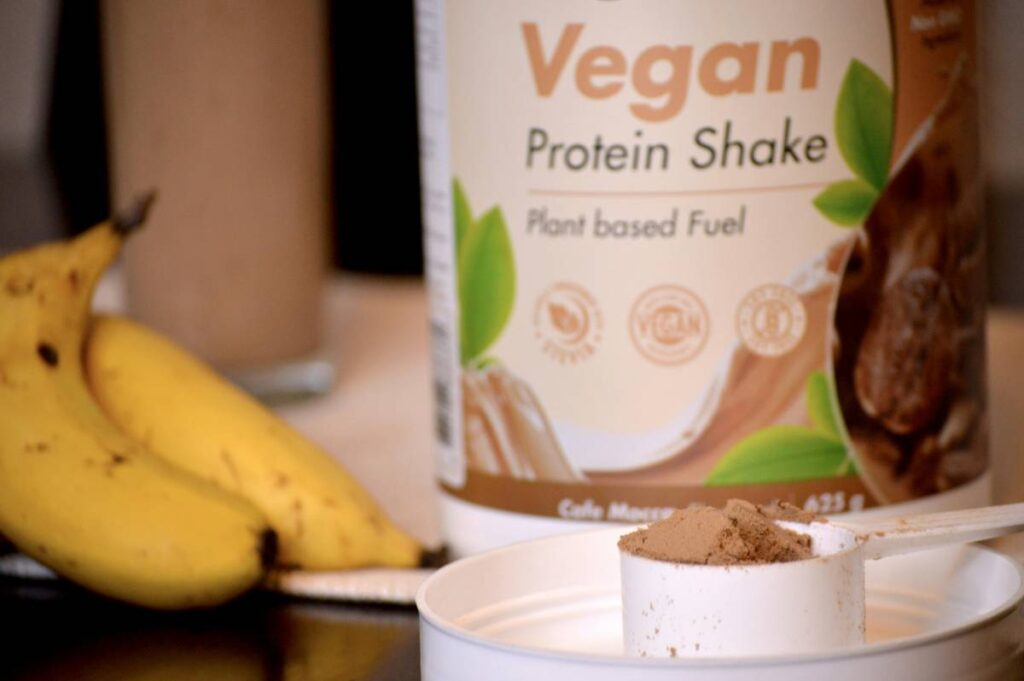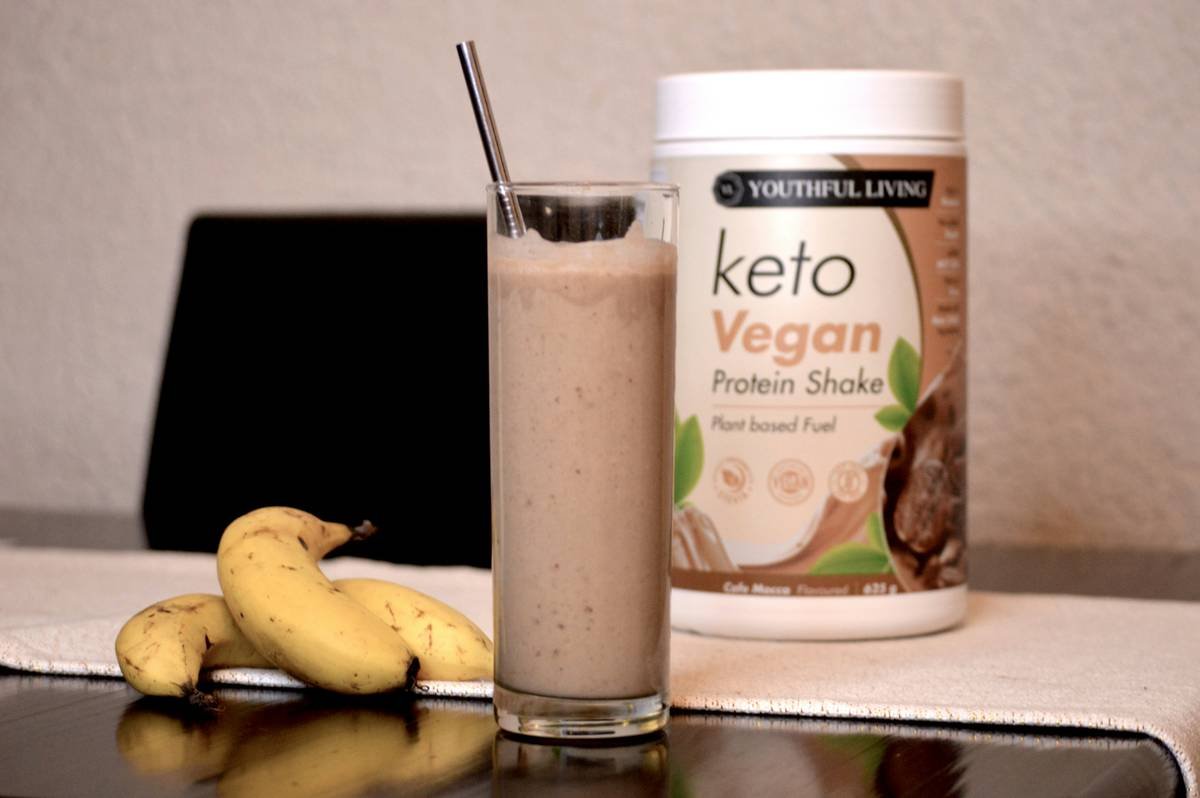
Ever chugged a so-called “organic fitness shake” only to break out like you’re 16 again—or worse, feel zero energy during your workout? You’re not imagining it. 73% of consumers assume “organic” on a label means clean, skin-friendly, and truly natural… but the truth is messier than a spilled protein tub on your white sneakers.
If you’re deep in the world of organic beauty and skincare, you know what goes inside your body reflects on your outside. Yet most “organic fitness shakes” are packed with hidden sugars, synthetic isolates, or unregulated additives that inflame skin, spike insulin, and wreck your glow goals.
In this post, you’ll learn:
- How to spot truly clean organic fitness shakes (spoiler: USDA Organic ≠ always safe),
- Which ingredients sabotage radiant skin—and which actually feed it,
- My personal 30-day experiment swapping conventional protein for a certified organic formula,
- Real brand recommendations backed by formulation science, not influencer hype.
Table of Contents
- The Hidden Link Between Your Shake and Your Skin
- How to Choose a Truly Clean Organic Fitness Shake
- 5 Non-Negotiable Best Practices for Glow-Boosting Shakes
- Real Results: My 30-Day Organic Shake Glow-Up
- FAQs About Organic Fitness Shakes & Skin Health
Key Takeaways
- Not all “organic” shakes are created equal—look for USDA Certified Organic + NSF Certified for Sport to avoid heavy metals and fillers.
- Sugar alcohols like erythritol and maltodextrin may be “natural,” but they can trigger acne and gut inflammation.
- Plant-based proteins like pea, hemp, and pumpkin seed support collagen synthesis better than whey for long-term radiance.
- Your shake should have fewer than 5g of added sugar and zero artificial flavors to qualify as skin-safe.
The Hidden Link Between Your Shake and Your Skin
Here’s a confessional fail: I once spent $48 on a trendy “organic green fitness shake” because Gwyneth Paltrow’s wellness site vouched for it. Two weeks in? My jawline erupted in cystic acne, my digestion felt like a clogged sink, and I was crashing by 3 p.m. Turns out, it contained 12g of added coconut sugar and “natural flavors”—a loophole term that can legally hide dozens of synthetic compounds.
As a licensed esthetician and certified holistic nutrition coach (yes, I’ve got the framed credentials gathering dust next to my jade roller), I’ve seen clients transform their skin not just with serums—but with what they drink. Because your skin is your largest detox organ. If your shake spikes blood sugar or contains inflammatory oils, your pores will revolt.
According to a 2023 study in the Journal of Cosmetic Dermatology, high-glycemic diets increase sebum production and oxidative stress—direct contributors to acne and premature aging. And let’s be real: if your “fitness shake” tastes like a milkshake, it’s probably acting like one in your bloodstream.
Optimist You:
“This is empowering! I can choose shakes that nourish my glow.”
Grumpy You:
“Ugh, fine—but only if it doesn’t taste like wet cardboard or cost $8 per serving.”
How to Choose a Truly Clean Organic Fitness Shake
Don’t trust the front label. Flip that tub like you’re inspecting a suspicious dating profile. Here’s your step-by-step due diligence checklist:
Step 1: Verify Third-Party Certifications
Look for USDA Organic (not just “made with organic ingredients”) AND NSF Certified for Sport or Informed-Choice. Why? The USDA cert ensures no synthetic pesticides or GMOs, while NSF tests for heavy metals (lead, arsenic, cadmium)—common contaminants in plant proteins sourced from polluted soils. A 2022 Consumer Reports investigation found 40% of plant-based protein powders exceeded safe levels of heavy metals.
Step 2: Scan for Sugar—Even the “Healthy” Kind
Avoid: cane sugar, coconut sugar, agave, brown rice syrup, and maltodextrin. Even “organic evaporated cane juice” is still refined sugar. Aim for ≤5g total sugar per serving, preferably from whole fruits like freeze-dried berries.
Step 3: Ditch the Fillers & Emulsifiers
Xanthan gum? Sunflower lecithin? In small amounts, they’re harmless. But carrageenan, soy lecithin, or “natural flavors”? Red flags. Carrageenan is linked to gut inflammation (per the Journal of Medicinal Food), and “natural flavors” can contain glutamates that trigger breakouts in sensitive skin types.
Step 4: Prioritize Skin-Loving Proteins
- Hemp protein: Rich in omega-3s and GLA—anti-inflammatory fatty acids that calm redness.
- Pumpkin seed protein: High in zinc, which regulates oil production and speeds wound healing.
- Pea protein isolate: Hypoallergenic and packed with lysine, a collagen-building amino acid.
Step 5: Check the Source Transparency
Brands worth your trust disclose where their ingredients are grown and tested. If they won’t tell you, walk away.
5 Non-Negotiable Best Practices for Glow-Boosting Shakes
- Never skip healthy fats: Add 1 tbsp of flaxseed or MCT oil to boost nutrient absorption of fat-soluble vitamins (A, E, K) critical for skin repair.
- Blend with phytonutrient-rich liquids: Swap water for unsweetened almond milk + a handful of spinach or matcha—packed with antioxidants that fight glycation (skin aging from sugar).
- Time it right: Drink within 45 minutes post-workout to maximize muscle recovery without spiking cortisol (which breaks down collagen).
- Avoid dairy-based “organic” whey: Even organic dairy can trigger IGF-1 production, linked to acne in clinical studies (Journal of the American Academy of Dermatology, 2021).
- Rotate your protein sources: Don’t rely on one shake daily. Diversity prevents nutrient gaps and reduces exposure to any single contaminant.
Terrible Tip Disclaimer:
“Just add collagen powder to any shake!” Nope. Most collagen peptides are animal-derived and not USDA Organic-certifiable. Plus, if your base shake is inflammatory, collagen won’t fix the root cause. Build from the inside out—clean first, enhance later.
Rant Section:
I’m so over brands slapping “clean,” “green,” and “detox” on tubs while loading them with stevia extracts that leave a metallic aftertaste and trigger migraines. If your shake needs 8 masking agents to taste okay, maybe the formula itself is flawed. Real food shouldn’t require chemistry class to enjoy.
Real Results: My 30-Day Organic Shake Glow-Up
Last spring, I ran a self-experiment: swapped my usual pea protein blend for Mom’s Garden Organics Plant Power Shake (USDA + NSF certified, 3g sugar, pumpkin-hemp-pea blend). No other diet or skincare changes.
Day 7: Less afternoon bloating. My under-eyes looked less puffy.
Day 18: Clients asked if I got a facial. My T-zone stopped getting shiny by noon.
Day 30: My hormonal chin zits? Gone. My morning “glow” wasn’t from highlighter—it was actual luminosity.
Was it magic? No. It was clean protein, low glycemic load, and zero inflammatory fillers giving my skin a fighting chance.
FAQs About Organic Fitness Shakes & Skin Health
Are organic fitness shakes better for acne-prone skin?
Yes—if they’re low-sugar, dairy-free, and free of inflammatory additives. High-glycemic or dairy-based shakes can worsen acne by elevating insulin and IGF-1 levels, which stimulate sebum production.
Can I use an organic fitness shake as a meal replacement for clearer skin?
Occasionally, yes—but ensure it has at least 15g protein, 5g fiber, and healthy fats. Never replace more than one meal daily; your skin needs diverse whole foods for micronutrients like vitamin C (collagen synthesis) and selenium (antioxidant defense).
Do organic shakes really have fewer heavy metals?
Certified brands (NSF/Informed-Choice) test rigorously. A 2023 Clean Label Project report showed certified organic plant proteins had 60% lower average heavy metal levels than non-certified “natural” brands.
What’s the best time to drink an organic fitness shake for skin benefits?
Post-workout or as a mid-morning snack. Avoid right before bed—digestion can disrupt sleep quality, and poor sleep = dull skin.
Conclusion
Your organic fitness shake shouldn’t just fuel your workout—it should feed your glow. By choosing certified, low-sugar, plant-powered formulas and avoiding sneaky fillers, you align your internal nutrition with your external skincare ritual. Remember: radiant skin starts in the gut, and every sip counts.
So next time you reach for that tub, ask: “Does this love my skin—or just my gym ego?”
Like a 2000s flip phone, simplicity wins. No bloat. Just clear, clean connection.
Glow haiku:
Green shake, quiet blend,
No sugar rush, just soft light—
Skin hums thank you.