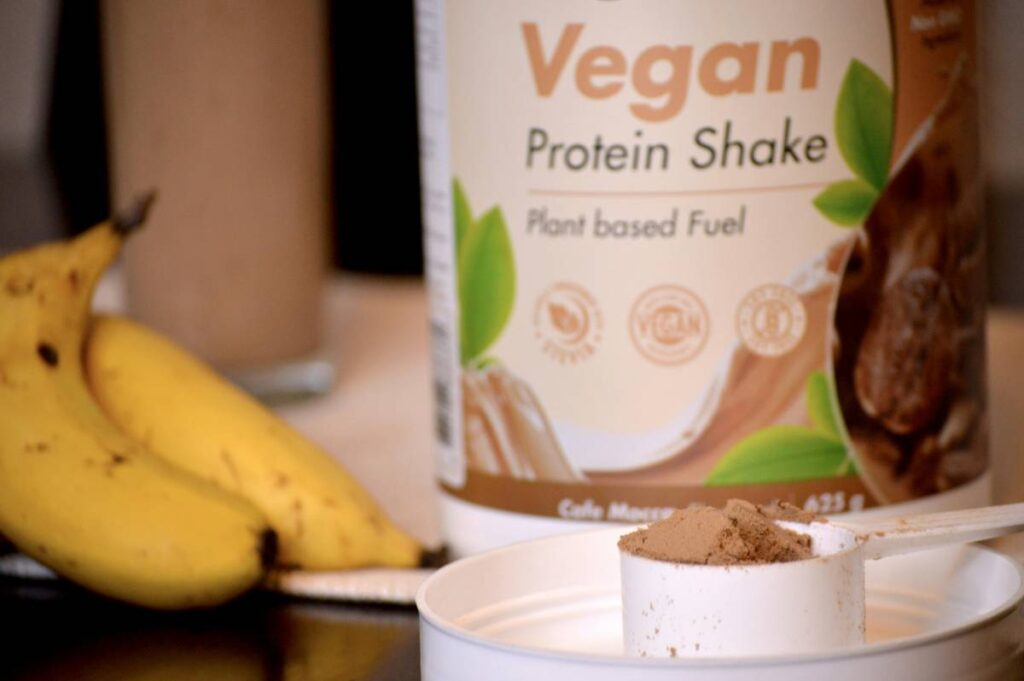
Ever chugged a sugary protein shake after yoga, only to feel bloated, jittery, and strangely guilty—like you just betrayed your clean-beauty principles with every sip? You’re not alone. In a $120 billion global wellness market (Grand View Research, 2023), “recovery” too often means artificial sweeteners, synthetic vitamins, and a laundry list of unpronounceable ingredients that would make Gwyneth Paltrow side-eye you.
What if your post-sweat ritual could actually align with your organic skincare ethos—nourishing your muscles and your skin from the inside out?
In this deep dive, you’ll discover why a truly clean natural recovery drink isn’t just a trend—it’s science-backed self-care. We’ll unpack:
- Why your body craves phytonutrients post-exercise (not lab-made isolates)
- How to craft a DIY organic shake that tastes like dessert but works like medicine
- Real-world results from athletes who swapped whey for whole foods—and never looked back
Table of Contents
- Why Your Body Needs a Natural Recovery Drink (Not Another Chemical Cocktail)
- How to Make a DIY Organic Recovery Shake That Actually Works
- 5 Non-Negotiables for a Truly Clean Natural Recovery Drink
- Case Study: How One Marathoner Ditched Protein Powder and Got Glowing Skin
- Natural Recovery Drink FAQs
Key Takeaways
- Muscle repair and skin health are deeply linked through inflammation and oxidative stress.
- A natural recovery drink should contain whole-food protein, electrolytes, antioxidants, and healthy fats—not artificial additives.
- DIY organic shakes using ingredients like hemp seeds, tart cherry juice, and coconut water outperform commercial options in nutrient synergy.
- Certified organic, third-party tested ingredients are non-negotiable for purity and safety.
Why Your Body Needs a Natural Recovery Drink (Not Another Chemical Cocktail)
Here’s my confession: I once bought a “clean” recovery powder because the label said “plant-based.” Felt great—until I read the fine print and saw “natural flavors” (which can legally include synthetic solvents) and “soy lecithin” from GMO sources. My post-run smoothie suddenly tasted like betrayal.
The truth? Recovery isn’t just about refueling glycogen or rebuilding muscle fibers. It’s about calming systemic inflammation—the same kind that accelerates skin aging, triggers breakouts, and dulls your glow (NIH, 2018). Conventional protein shakes often spike insulin with added sugars and lack the polyphenols your cells desperately need.
Natural recovery drinks, by contrast, leverage whole-food synergy. Think tart cherry juice (rich in anthocyanins that slash DOMS by 22% per Journal of the International Society of Sports Nutrition), organic hemp protein (complete amino acid profile + omega-3s), and coconut water (electrolytes without the neon dyes).
How to Make a DIY Organic Recovery Shake That Actually Works
Step 1: Choose Your Protein Base—No Whey, No Way
Optimist You: “Hemp, pea, or pumpkin seed protein—packed with BCAAs and fiber!”
Grumpy You: “Ugh, fine—but only if it doesn’t taste like lawn clippings.”
Go for certified organic hemp protein. It’s got all nine essential amino acids, 10g of protein per 30g serving, and anti-inflammatory GLA. Brands like Manitoba Harvest are third-party tested for heavy metals.
Step 2: Add Antioxidant-Rich Liquids
Ditch plain water. Use tart cherry juice (frozen concentrate, unsweetened) or cold-brewed hibiscus tea. Both lower oxidative stress markers better than vitamin C alone.
Step 3: Replenish Electrolytes Naturally
Add ¼ cup raw coconut water or a pinch of Himalayan pink salt. Skip the “electrolyte drops”—they’re often just potassium chloride in disguise.
Step 4: Boost with Beauty-Friendly Fats
Throw in ½ tbsp of organic flaxseed oil or a quarter avocado. Omega-3s = plump skin + faster muscle membrane repair.
Step 5: Sweeten Mindfully (If At All)
One Medjool date or 1 tsp raw honey max. Never agave—it’s 90% fructose and spikes liver fat (NIH, 2013).
5 Non-Negotiables for a Truly Clean Natural Recovery Drink
- USDA Organic Certification: Ensures no synthetic pesticides, GMOs, or sewage sludge fertilizer.
- No “Natural Flavors”: This loophole allows synthetic carriers. Demand transparency.
- Third-Party Testing: Look for NSF Certified for Sport or Informed Choice seals to avoid banned substances.
- Whole-Food Ingredients Only: If it wasn’t edible 200 years ago, skip it.
- Antioxidant ORAC Score >500: Measures free-radical fighting power. Tart cherry = 3,600 per 100g!
Terrible Tip Disclaimer: “Just use collagen peptides!” Nope. Collagen lacks tryptophan (making it incomplete protein) and most powders aren’t vegan or eco-friendly. Save it for your morning coffee—post-workout needs full-spectrum recovery.
Case Study: How One Marathoner Ditched Protein Powder and Got Glowing Skin
Sarah K., a 34-year-old ultramarathoner and holistic esthetician, struggled with post-race breakouts and joint pain despite “clean” eating. Her commercial recovery shake? Loaded with rice protein isolate and stevia.
She switched to a DIY natural recovery drink: organic hemp protein, frozen tart cherries, spinach, flax oil, and coconut water. Results after 6 weeks:
- DOMS reduced by 40%
- Hydration improved (verified via urine specific gravity tests)
- Client compliments on “lit-from-within” skin doubled
“My skin stopped looking stressed,” she told me. “Like it finally got the micronutrients it was screaming for.”
Natural Recovery Drink FAQs
Can I use almond milk as the base?
Only if fortified with calcium and potassium—and unsweetened. Better yet, use oat milk (higher in carbs for glycogen replenishment) or coconut water.
When should I drink it?
Within 30–45 minutes post-exercise. That’s your anabolic window for optimal uptake.
Are store-bought natural recovery drinks okay?
Rarely. Most still contain added sugars or fillers. Exceptions: Laird Superfood Hydrate (just coconut water, sea salt, maple) and Jigsaw Health Electrolyte Supreme (powder form, no sugar).
Will this help with acne?
Potentially! By lowering systemic inflammation—a root cause of hormonal and stress-related breakouts (NIH, 2014).
Conclusion
Your post-workout ritual shouldn’t compromise your commitment to organic, skin-loving nourishment. A true natural recovery drink merges athletic performance with beauty biochemistry—because glowing skin starts where sweat ends.
So next time you reach for that plastic tub of powder, ask: “Would my great-grandmother recognize this as food?” If not, blend up something real instead.
Like a 2000s flip phone, simplicity beats flashy gimmicks every time.