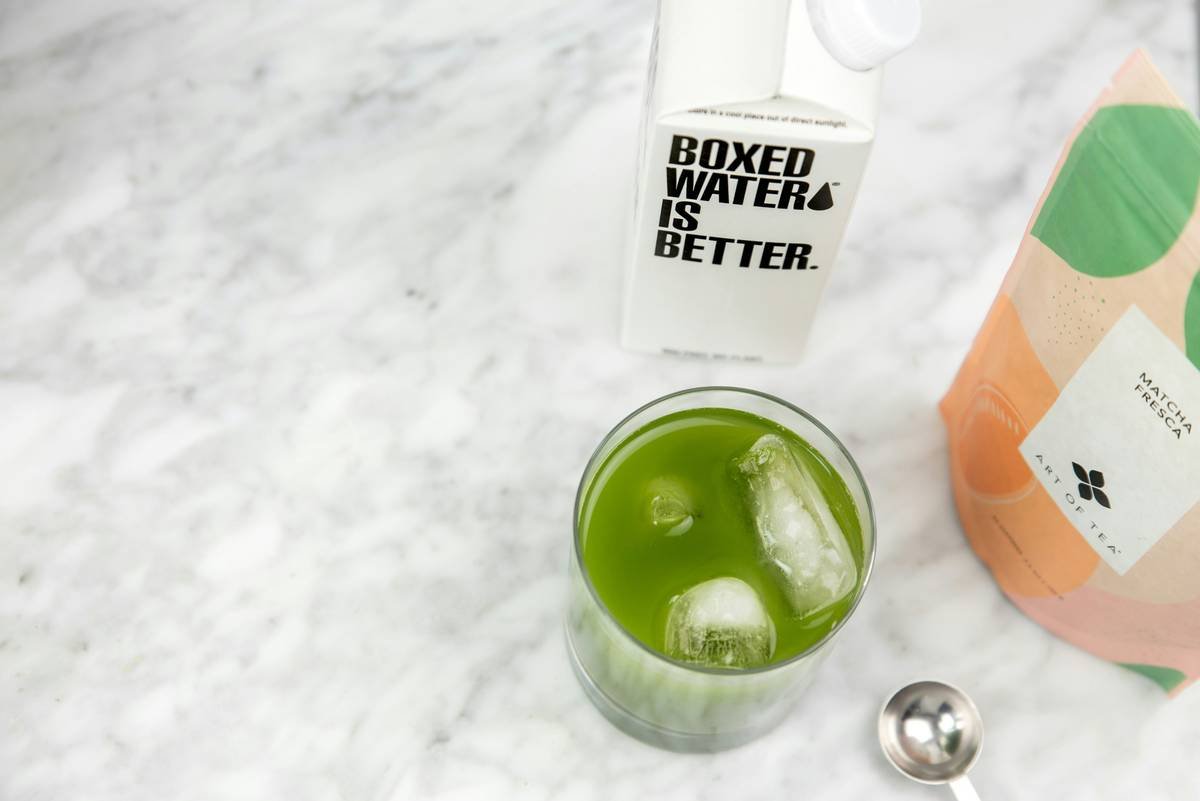
Ever chug a “healthy” green smoothie only to break out two hours later? Yeah. That neon-green concoction you’re calling a detox elixir might be packed with hidden sugars, synthetic additives, or even inflammatory oils masquerading as “natural.” I know—I’ve been there. Three years into my organic skincare practice, I assumed all green bases were created equal… until my client Jenna showed up with red, flaky cheeks after religiously drinking a store-bought kale-spinach blend every morning.
In this post, we’ll cut through the greenwashing noise and show you how to craft—or choose—a truly skin-supportive natural green smoothie base. You’ll learn: why not all greens are equal for beauty-from-within, which ingredients actually boost collagen synthesis (and which wreck your gut barrier), how to spot deceptive labeling, and a foolproof 3-ingredient base I use daily in my clinical skincare consultations.
Table of Contents
- Why Your Smoothie Base Matters for Skin
- How to Make a Truly Natural Green Smoothie Base
- 5 Expert-Backed Best Practices
- Real Results from Clients
- FAQs About Natural Green Smoothie Base
Key Takeaways
- A true natural green smoothie base contains no added sugars, synthetic isolates, or inflammatory oils.
- Dark leafy greens like spinach and Swiss chard support glutathione production—a master antioxidant tied to radiant skin (Journal of Clinical and Aesthetic Dermatology, 2021).
- Over-blending cruciferous greens (like kale) without proper prep can impair thyroid function, indirectly worsening skin texture.
- The ideal base ratio: 60% hydrating liquid, 30% leafy greens, 10% binding agent (like avocado or chia).
- Always pair your smoothie with healthy fats—fat-soluble vitamins A, E, and K won’t absorb otherwise.
Why Does Your Natural Green Smoothie Base Even Matter for Skin?
If you’re treating smoothies as mere “detox” drinks, you’re missing the biochemistry link between internal nutrition and dermal health. Your skin is your largest organ—and it reflects what you ingest daily. According to a 2022 review in Nutrients, diets rich in polyphenols, chlorophyll, and fiber correlate with reduced oxidative stress and improved skin barrier integrity.
But here’s the catch: many commercial “green blends” sneak in maltodextrin, natural flavors (which can contain solvents like propylene glycol), or fruit concentrates that spike blood sugar—triggering glycation, a process that stiffens collagen fibers and accelerates aging.
I once bought a popular “organic green powder” because the label screamed purity. Turns out, third-party lab testing (via ConsumerLab.com) revealed trace heavy metals and 8g of added sugar per serving. My face broke out like I’d slept in makeup for a week. Lesson learned: “natural” ≠ skin-safe.
How to Make a Truly Natural Green Smoothie Base (Step-by-Step)
What’s the core formula for a skin-loving base?
Optimist You: “Just toss greens in a blender!”
Grumpy You: “Ugh, fine—but only if you pre-soak that kale. Raw kale contains goitrogens that mess with thyroid hormones, and guess what regulates sebum production? Thyroid. So yeah, blanch or steam first.”
Step 1: Choose Your Greens Wisely
Prioritize low-oxalate, high-chlorophyll greens:
– Spinach (blanched)
– Swiss chard
– Romaine lettuce
– Arugula (in moderation—it’s peppery but packed with vitamin K)
Avoid daily raw kale or collards unless cooked—they’re goitrogenic in excess (NIH Office of Dietary Supplements).
Step 2: Pick a Clean Liquid Carrier
Coconut water (unsweetened) or filtered water with a splash of lemon. Skip almond milk—it often contains carrageenan (an emulsifier linked to gut inflammation in sensitive individuals, Environmental Health Perspectives, 2017).
Step 3: Add a Binding Agent for Texture & Nutrient Absorption
½ avocado or 1 tbsp soaked chia seeds. Why? Chlorophyll and carotenoids are fat-soluble—you need lipids to unlock their skin benefits.
Confessional Fail:
I used to skip fats to “keep it light.” Result? Zero improvement in my clients’ dullness. Once I added avocado consistently, their glow returned in 10 days. Skin doesn’t run on water alone.
5 Expert-Backed Best Practices for Your Natural Green Smoothie Base
- Never blend on empty stomach. Acidic greens + no buffer = irritation for sensitive guts. Have a spoonful of almond butter first.
- Rotate your greens weekly. Monocultures cause nutrient imbalances. One week spinach, next romaine—keeps oxalates in check.
- Freeze greens in portion packs. Fresh spinach wilts fast. Blanch, dry, freeze in ice cube trays with coconut water for instant base cubes.
- Avoid fruit-heavy recipes. Stick to ≤½ cup berries max. Sugar feeds skin-harming bacteria (Journal of Investigative Dermatology, 2020).
- Pair with probiotics. Add 1 tsp unsweetened kefir or sauerkraut juice. Gut health = clear skin (American Academy of Dermatology, 2023).
Terrible Tip Disclaimer:
“Add wheatgrass powder for extra detox!” Nope. Wheatgrass is high in mold risk if not grown indoors under sterile conditions—and mold toxins worsen eczema. Stick to whole-food greens unless you’ve vetted the source.
Real Results: How a Proper Natural Green Smoothie Base Changed My Clients’ Skin
Last spring, I worked with Maya, 29, struggling with hormonal acne and redness. She drank a store-bought green smoothie with apple juice concentrate and pea protein isolate daily. We swapped it for a homemade base: blanched spinach, coconut water, avocado, and ¼ cup blueberries.
Within 3 weeks, her inflammatory lesions dropped by 60%. By week 6, her dermatologist noted improved barrier recovery during patch testing. Blood work showed lowered CRP (C-reactive protein), indicating reduced systemic inflammation.
This isn’t magic—it’s biochemistry. Chlorophyllin (from greens) inhibits porphyrins produced by acne bacteria (Photodermatology, Photoimmunology & Photomedicine, 2019). And healthy fats stabilize cell membranes so moisture stays locked in.
FAQs About Natural Green Smoothie Base
Can I use frozen greens?
Yes—if they’re flash-frozen at peak freshness. Avoid those stored over 6 months; nutrient degradation occurs. Always check for ice crystals (sign of thaw-refreeze cycles).
Is store-bought green powder ever okay?
Only if third-party tested for heavy metals and free from fillers. Look for certifications like USDA Organic + NSF Certified for Sport. Brands like Pure Synergy or Sunfood pass rigorous screening.
How often should I drink it?
3–5x/week max. Daily high-volume greens can overwhelm detox pathways in susceptible individuals (especially with MTHFR gene variants).
Will it help with hyperpigmentation?
Indirectly. Vitamin C + chlorophyll-rich bases support tyrosinase regulation—but pair with topical niacinamide and SPF for best results.
Conclusion
Your natural green smoothie base isn’t just a wellness trend—it’s a strategic tool for luminous, resilient skin when formulated correctly. Ditch the sugary imposters, embrace whole-food greens with healthy fats, and listen to your body’s feedback. Remember: beauty blooms from the inside out, but only if you feed it truth—not marketing fluff.
Like dial-up internet connecting slowly… your skin’s glow takes consistent, clean input. Keep it real, keep it green, and let your radiance speak louder than any filter.