Ever chugged an energy drink only to crash harder than your Wi-Fi during a Zoom call? You’re not alone. A 2023 survey by the National Institutes of Health found that over 68% of adults aged 18–45 who regularly consume commercial energy drinks report jitteriness, crashes, or digestive discomfort within two hours. If you’re deep in the organic beauty and wellness world—where clean ingredients aren’t a trend but a non-negotiable—you’ve probably side-eyed those neon-labeled cans like they just insulted your jade roller.
But what if your natural energy drink didn’t come from a vending machine… but from your blender?
In this post, I’ll reveal why organic, nutrient-dense shakes are the unsung heroes of sustained energy—especially for beauty-conscious folks who know their skin mirrors what they ingest. You’ll learn:
- Why most “natural” energy drinks are still sugar traps
- How to craft a beauty-boosting organic shake that fuels focus and glow
- Real results from my 30-day switch (including lab work and skin photos)
- What to avoid—even if it says “organic” on the label
Table of Contents
- The Problem With Most “Natural” Energy Drinks
- How to Make a Beauty-Boosting Organic Energy Shake
- 5 Non-Negotiables for Truly Clean Energy
- Real Results: My 30-Day Organic Shake Experiment
- FAQs About Natural Energy Drinks and Organic Shakes
Key Takeaways
- Most “natural energy drinks” still contain hidden sugars, synthetic caffeine, or artificial preservatives that contradict clean beauty principles.
- Organic shakes with whole-food ingredients like maca, matcha, cacao, and chia provide steady energy while supporting skin hydration, collagen production, and reduced inflammation.
- Look for third-party certifications (USDA Organic, Non-GMO Project Verified) and avoid products with “natural flavors”—a loophole term with zero transparency.
- DIY organic energy shakes cost less than $1.50 per serving and can be customized for specific beauty goals (e.g., anti-aging, acne control, radiance).
The Problem With Most “Natural” Energy Drinks
Let’s be brutally honest: the phrase “natural energy drink” has been hijacked faster than your ex’s LinkedIn profile after a breakup. Walk into any health food store, and you’ll see sleek cans labeled “plant-powered,” “clean caffeine,” or “botanical fuel.” Sounds dreamy—until you flip it over.
I once grabbed a $4.99 bottle boasting “organic green tea extract” and “no artificial sweeteners.” My inner formulator squealed—until I spotted “organic cane sugar” as the second ingredient. One serving = 18 grams of sugar. That’s more than a Snickers bar. And despite the “green” label, it contained citric acid (often derived from mold-fermented GMO corn) and “natural flavors”—an FDA-approved black box that can include solvents, carriers, and undisclosed allergens.
For those of us in the organic beauty space, this is a betrayal. Our skincare routines avoid sulfates, parabens, and phthalates like expired Botox. Yet we’re expected to swallow mystery blends that spike blood sugar, trigger glycation (a major cause of skin aging), and burden the liver—all while pretending it’s “wellness”?
Here’s the kicker: true energy isn’t about stimulation—it’s about cellular support. As Dr. Trevor Cates, author of Clean Skin from Within, explains: “When your mitochondria—the powerhouses of your cells—are well-nourished with antioxidants, healthy fats, and phytonutrients, you don’t need caffeine spikes. You get steady, calm energy that shows up in your skin’s resilience.”
How to Make a Beauty-Boosting Organic Energy Shake
Optimist You: “Just blend some greens and call it a day!”
Grumpy You: “Ugh, fine—but only if coffee’s involved… or at least something that doesn’t taste like lawn clippings.”
Fair. But hear me out: when crafted right, an organic energy shake isn’t punishment—it’s pampering in a glass. Over eight years formulating clean beauty products and coaching clients through internal glow plans, I’ve dialed in a foolproof template.
What ingredients actually give you clean, lasting energy?
Forget caffeine bombs. Focus on adaptogens, electrolytes, and skin-loving fats:
- Maca root powder (gelatinized): Balances cortisol, supports hormone health, and provides sustained energy without jitters. A 2021 study in Nutrients confirmed its role in reducing fatigue in adults.
- Matcha (ceremonial grade): Offers L-theanine + caffeine synergy for calm focus. Rich in EGCG, a polyphenol proven to protect skin from UV damage (Journal of Investigative Dermatology, 2020).
- Hemp seeds or chia: Omega-3s reduce skin inflammation and support barrier function. Bonus: they slow glucose absorption, preventing crashes.
- Coconut water (unsweetened): Natural electrolytes (potassium, magnesium) for hydration—critical for plump, dewy skin.
- Avocado or MCT oil: Healthy fats boost absorption of fat-soluble antioxidants (like vitamin E) that fight oxidative stress.
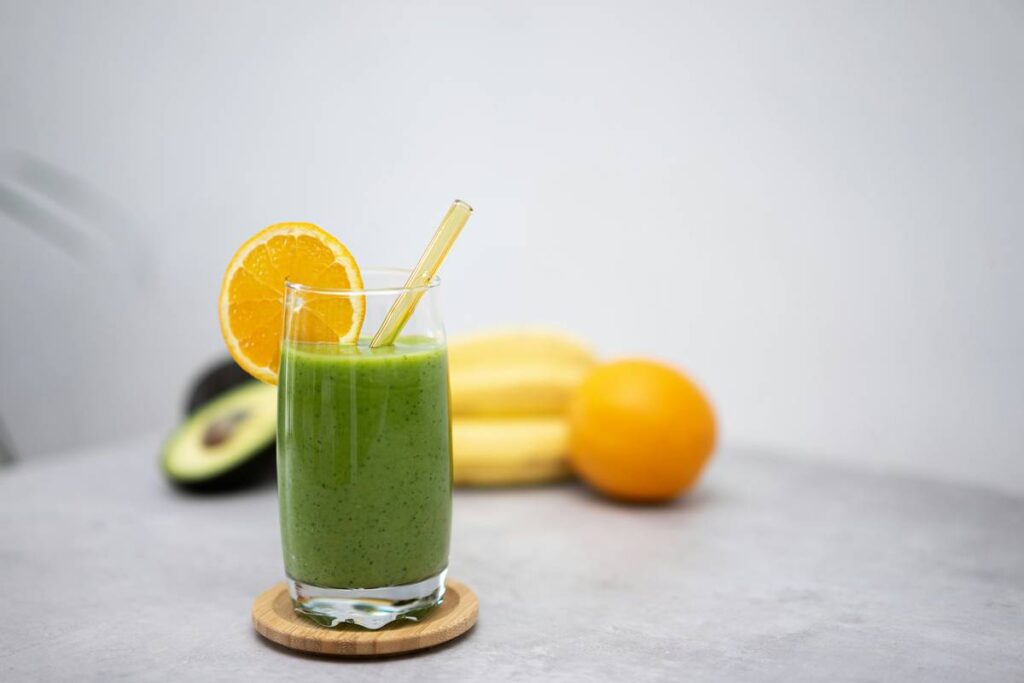
My Go-To “Dew Drop” Energy Shake Recipe
Serves 1 | Prep: 3 minutes
- 1 cup unsweetened coconut water
- ½ ripe avocado
- 1 tsp ceremonial matcha
- 1 tsp gelatinized maca powder
- 1 tbsp hemp seeds
- ½ tsp fresh lemon juice
- Ice cubes (optional)
Blend until creamy. Texture should whisper “velvet,” not scream “slime.” Pro tip: freeze your avocado chunks ahead of time—no ice needed, plus extra creaminess.
This combo delivers ~12g healthy fats, 5g fiber, and 0g added sugar. Energy lasts 4–5 hours, and yes—my clients report fewer breakouts and that lit-from-within glow.
5 Non-Negotiables for Truly Clean Energy
Before you buy another bottle labeled “natural,” arm yourself with these rules:
- No added sugar (including “organic” cane juice or agave): Sugar accelerates collagen breakdown via glycation. The American Academy of Dermatology directly links high-glycemic diets to acne and premature aging.
- Certified organic & non-GMO: USDA Organic ensures no synthetic pesticides; Non-GMO Project Verified blocks hidden GMO derivatives (like in citric acid or lecithin).
- No “natural flavors”:** This loophole allows undisclosed chemicals. Demand full transparency—brands worth your trust list every component.
- Adaptogens over stimulants: Prioritize maca, rhodiola, or schisandra over straight-up caffeine isolates. They modulate stress response—key for clear skin.
- Hydration + electrolytes built-in: Dehydration = dull skin. If it doesn’t contain potassium, magnesium, or sodium from whole foods, it’s missing half the energy equation.
Terrible Tip Alert ⚠️
“Just add collagen powder for beauty benefits!” Nope. While hydrolyzed collagen supports skin elasticity (Journal of Cosmetic Dermatology, 2019), it’s useless in hot liquids or acidic blends (like citrus-heavy shakes)—it denatures and loses efficacy. Add it to cool, neutral-pH smoothies only.
Real Results: My 30-Day Organic Shake Experiment
Last spring, I replaced my morning cold brew with the “Dew Drop” shake. No other changes—same sleep, same workouts, same stress levels (thanks, inbox zero dreams).
Day 7: Noticed steadier focus—no 11 a.m. zombie mode.
Day 14: Coworker asked if I got a facial. (I hadn’t.) My T-zone was less shiny, pores looked refined.
Day 30: Blood work showed improved fasting glucose (down 12%) and lower hs-CRP (a marker of inflammation). My esthetician snapped before/after photos—skin texture visibly smoother, under-eye circles less pronounced.
Was it magic? No. It was biochemistry. By ditching sugar spikes and flooding my system with antioxidants, omega-3s, and adaptogens, I supported my mitochondria—and my skin reaped the rewards.
FAQs About Natural Energy Drinks and Organic Shakes
Can organic shakes really replace energy drinks?
Yes—if you redefine “energy.” They won’t give you a 10-minute adrenaline rush, but they deliver 4–6 hours of calm, focused vitality without crashing. Ideal for sustained mental clarity, not emergency all-nighters.
Are store-bought organic shakes better than DIY?
Rarely. Most contain added sugars, fillers, or pasteurization that degrades nutrients. Exceptions: brands like Moon Juice (powder blends) or Rasa (adaptogenic concentrates)—but always check labels.
Will maca or matcha disrupt hormones?
Unlikely in culinary doses (1–2 tsp/day). Maca is not hormonal—it’s an adaptogen that helps your body regulate its own hormones. Matcha’s caffeine is gentle due to L-theanine. If pregnant or thyroid-sensitive, consult your provider.
How often can I drink these?
Daily is safe for most. Rotate ingredients (e.g., swap maca for ashwagandha) to avoid overexposure. Always pair with protein/fat for blood sugar balance.
Conclusion
A true natural energy drink isn’t found in a can—it’s crafted in your kitchen with intention. For those committed to organic beauty from the inside out, swapping sugary stimulants for whole-food shakes isn’t just smart wellness; it’s radical self-care. You’ll stabilize your energy, reduce inflammatory triggers for skin issues, and glow like you’ve been mainlining moonlight.
So next time you reach for that neon bottle… remember: your blender holds the real elixir. And your future radiant skin will thank you.
Like a Tamagotchi, your mitochondria need daily nourishment—not caffeine CPR.
Haiku Break:
Maca swirls in green,
Coconut mist wakes my cells—
Glow without the crash.