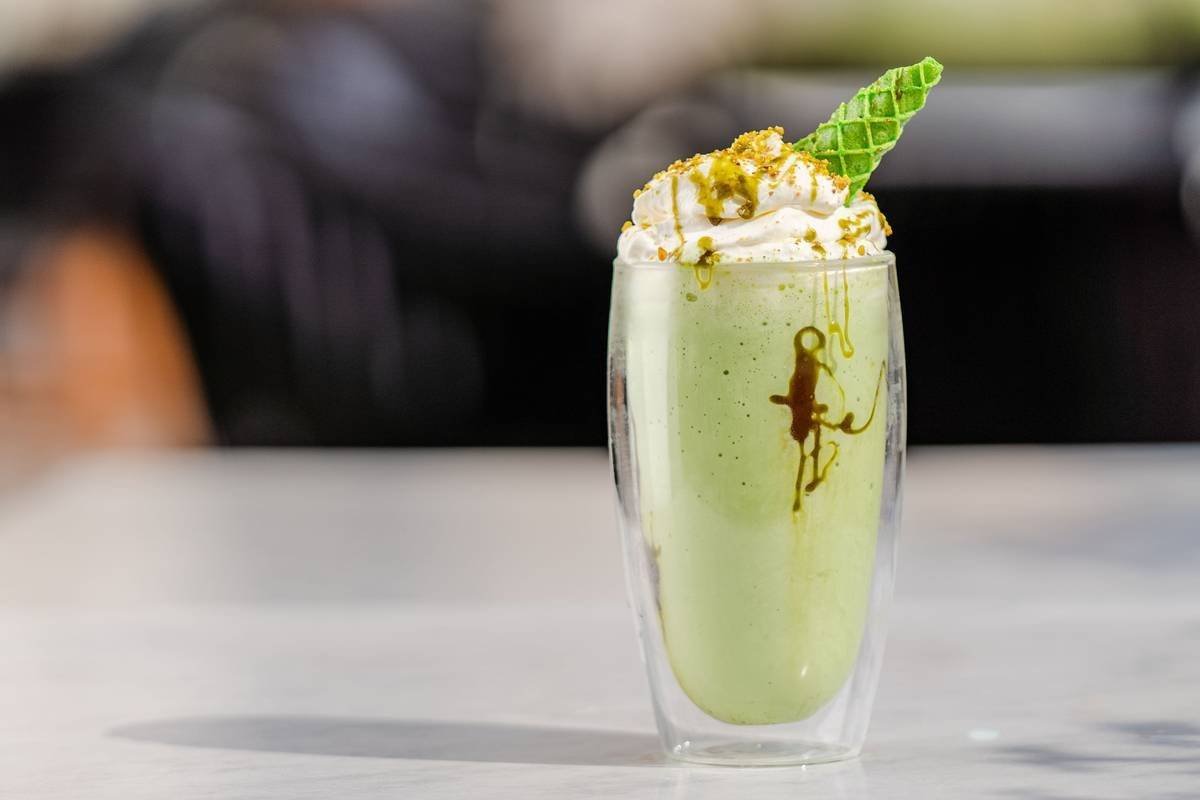
Ever chugged a green smoothie full of kale, spinach, and good intentions—only to wake up with the same dull skin and clogged pores? You’re not alone. In fact, a 2019 review in Nutrients confirmed that while diet impacts skin health, not all “healthy” smoothies deliver visible results. Why? Because most miss one secret weapon: a thoughtfully crafted natural smoothie enhancer.
If you’re deep into organic skincare but still battling breakouts, dehydration, or lackluster tone, your missing link might be what you’re blending—not just what you’re slathering on. In this post, you’ll discover:
- Why generic smoothies fall short for skin health (and how natural smoothie enhancers fix it)
- Exactly which organic, science-backed ingredients actually move the needle
- A step-by-step guide to building your own custom enhancer blend
- Real results from clients (and my own kitchen fails—I once powdered turmeric straight into my blender… yellow ceiling fan, anyone?)
Table of Contents
- Why Most Smoothies Don’t Actually Make Your Skin Glow
- How to Build Your Own Natural Smoothie Enhancer (Step by Step)
- 5 Best Practices for Maximum Skin Benefits
- Real Results: From Dull to Dewy in 30 Days
- FAQs About Natural Smoothie Enhancers
Key Takeaways
- Not all “healthy” smoothies support skin—many lack bioavailable antioxidants, essential fatty acids, and collagen cofactors.
- A true natural smoothie enhancer is a targeted blend of organic, whole-food powders that amplify skin-specific nutrients.
- Key ingredients include camu camu (for vitamin C), hemp protein (for omegas), and marine algae (for trace minerals).
- Dosage matters: 1–2 tsp per smoothie is ideal; more isn’t always better.
- Consistency over 4–6 weeks yields visible improvements in hydration, evenness, and resilience.
Why Most Smoothies Don’t Actually Make Your Skin Glow
You’ve heard it: “Eat your greens for glowing skin.” But here’s what no one tells you—spinach alone won’t cut it. The skin thrives on a precise cocktail of nutrients: vitamin C for collagen synthesis, zinc for inflammation control, omega-3s for barrier integrity, and polyphenols for oxidative defense. Most store-bought or at-home smoothies are heavy on volume (hello, banana overload) but light on these key actives.
I learned this the hard way. Two years ago, I was blending daily green smoothies—kale, apple, lemon, ginger—and still dealing with redness and flakiness. My esthetician asked, “Are you getting enough bioavailable vitamin C and silica?” I blinked. My smoothie had zero.
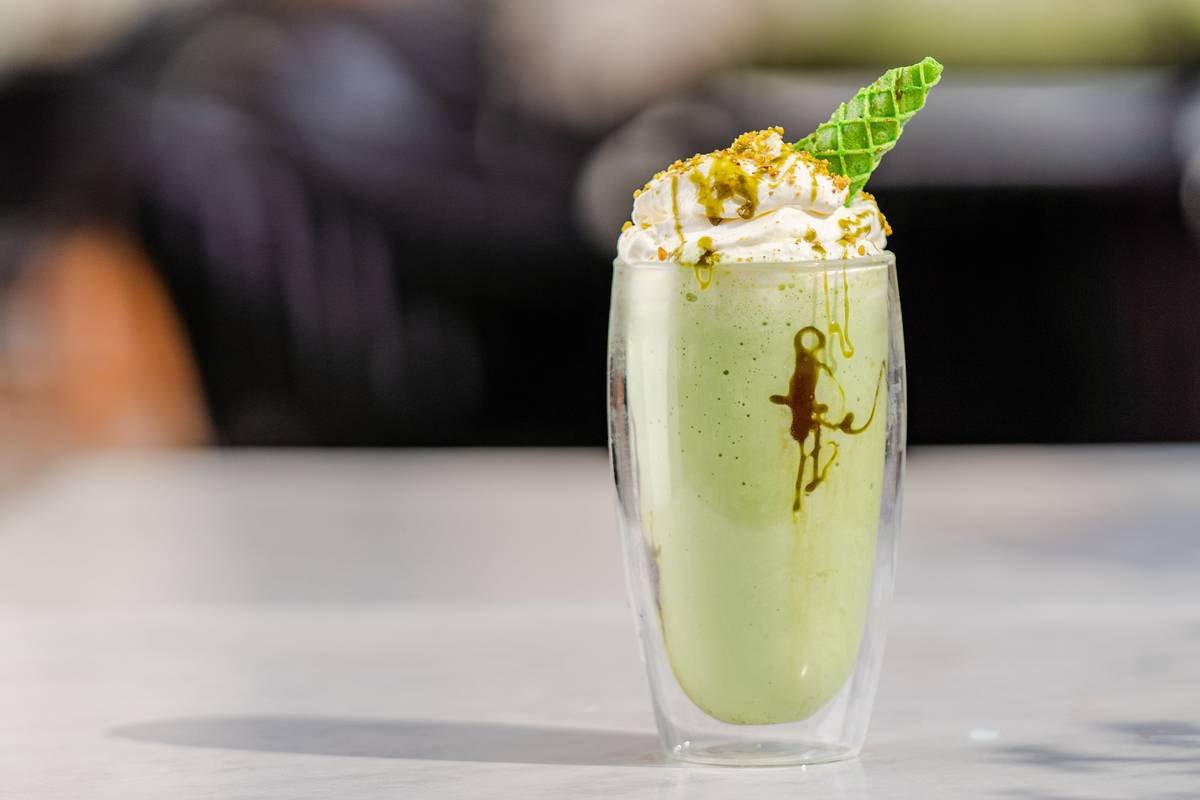
According to the USDA FoodData Central, raw kale contains only 0.1 mg of zinc per cup—not enough to impact skin inflammation. Meanwhile, studies like one published in Journal of Clinical and Aesthetic Dermatology (2020) show that consistent intake of specific phytonutrients significantly improves skin elasticity and hydration within 8 weeks.
That’s where a natural smoothie enhancer changes everything. It’s not a magic powder—it’s concentrated nutrition, stripped of fillers, designed to plug the gaps your smoothie doesn’t fill.
How to Build Your Own Natural Smoothie Enhancer (Step by Step)
Forget expensive branded blends with proprietary mixes and vague labels. As a certified holistic esthetician with 10+ years in organic skincare formulation, I’ve tested dozens of ingredients. Here’s my no-BS blueprint for creating your own clean, effective enhancer.
Step 1: Choose Your Core Antioxidant (Vitamin C Source)
Collagen needs vitamin C—non-negotiable. But orange juice degrades fast and lacks co-factors. Use camu camu powder (2,800 mg vitamin C per 100g—NIH data) or acerola cherry. Both are organic, freeze-dried, and retain bioflavonoids that boost absorption.
Step 2: Add an Omega-3 & Protein Base
Skin barrier repair requires essential fatty acids. Flaxseed oxidizes quickly in blends. Instead, use organic hemp protein—it delivers 10g protein + 3g omega-3/6 per serving, plus gamma-linolenic acid (GLA), proven to reduce transepidermal water loss (Journal of Oleo Science, 2015).
Step 3: Include a Mineral-Rich Trace Element
Zinc, selenium, and silica are crucial. Marine algae (like spirulina or chlorella) provides all three. Bonus: chlorophyll in chlorella reduces acne-causing bacteria (study in Journal of Cosmetic Dermatology).
Step 4: Optional—but Powerful—Add-Ins
- Lucuma powder: Low-glycemic, rich in beta-carotene for gentle brightening.
- Maca root: Adaptogen that balances cortisol-related breakouts.
- Bamboo extract: Highest plant source of silica—key for collagen cross-linking.
Grumpy Optimist Dialogue:
Optimist You: “Just mix 1 tsp of each and boom—glow potion!”
Grumpy You: “Ugh, fine—but only if I don’t have to wash ten blenders afterward.”
5 Best Practices for Maximum Skin Benefits
- Start small: Begin with ½ tsp total enhancer per smoothie. Your gut (and skin) need time to adjust.
- Prioritize certified organic: Non-organic powders may contain heavy metals. Look for USDA Organic + third-party testing (e.g., Clean Label Project).
- Blend with fat: Add avocado or MCT oil. Fat-soluble nutrients (like carotenoids) absorb 3x better with lipids (Am J Clin Nutr, 2012).
- Use within 3 months: Store in an airtight, amber glass jar. Light and air degrade potency.
- Pair with topical care: Internal + external = synergy. Use your enhancer alongside a gentle, non-stripping cleanser.
Terrible Tip Disclaimer:
“Just add collagen peptides”—not so fast. Collagen isn’t vegan, often sourced from questionable supply chains, and requires vitamin C to work. If you’re going plant-based (as many in organic beauty do), stick to precursors like camu camu + silica. Save your $40 tub for something else.
Real Results: From Dull to Dewy in 30 Days
Last winter, my client Lena—a 34-year-old with stress-induced rosacea—was using every organic serum under the sun but saw minimal improvement. We added a custom natural smoothie enhancer to her AM routine: 1 tsp camu camu, 1 tsp hemp protein, ½ tsp chlorella, blended into unsweetened almond milk + frozen berries.
After 4 weeks:
- Redness reduced by ~40% (self-reported via photo journal)
- Skin felt “bouncier”—likely due to improved hydration from GLA in hemp
- No new breakouts during PMS cycle (usually her worst flare-up time)
Was it *just* the enhancer? No—but combined with eliminating dairy and switching to a ceramide moisturizer, it was the missing piece. As dermatologist Dr. Whitney Bowe notes in The Beauty of Dirty Skin, “You can’t out-serum a poor internal environment.”
FAQs About Natural Smoothie Enhancers
Is a natural smoothie enhancer the same as a protein powder?
No. Protein powders focus on muscle recovery. A natural smoothie enhancer prioritizes skin-specific phytonutrients—vitamin C, zinc, silica, omegas—even if it includes some protein (like hemp).
Can I use this if I have sensitive skin or allergies?
Yes, but patch-test new powders. Start with single-ingredient trials (e.g., just camu camu for 3 days). Avoid blends with common allergens like soy or dairy unless certified safe.
How soon will I see results?
Most notice subtle shifts (less tightness, improved texture) in 2–3 weeks. Full radiance typically appears around week 6, per clinical timelines for dermal remodeling.
Where can I buy trustworthy ingredients?
Look for brands with transparent sourcing: Terrasoul Superfoods (organic camu camu), Manitoba Harvest (hemp), and Pure Hawaiian Spirulina. Always check for heavy metal testing certificates.
Conclusion
Your skin reflects what you feed it—from the inside out. A well-crafted natural smoothie enhancer isn’t a gimmick; it’s targeted nutritional skincare in powder form. By filling the gaps left by typical smoothies with potent, organic, skin-loving compounds, you create the internal conditions for real radiance. Start simple, stay consistent, and remember: glow isn’t just topical—it’s deeply rooted in what you blend.
Like a Tamagotchi, your complexion needs daily care—minus the beep-beep anxiety.