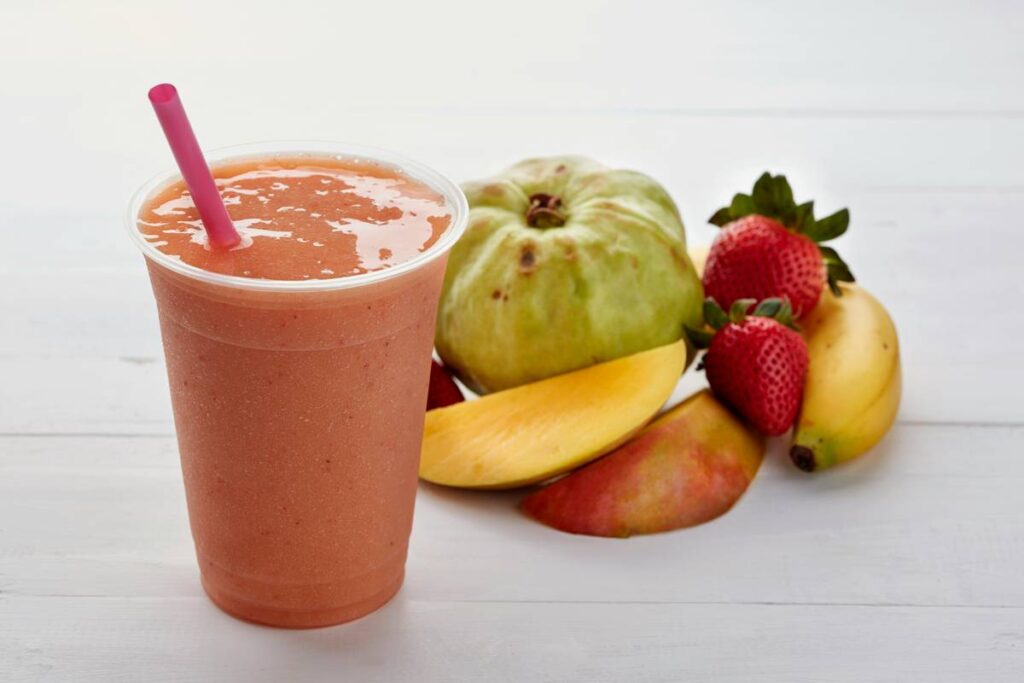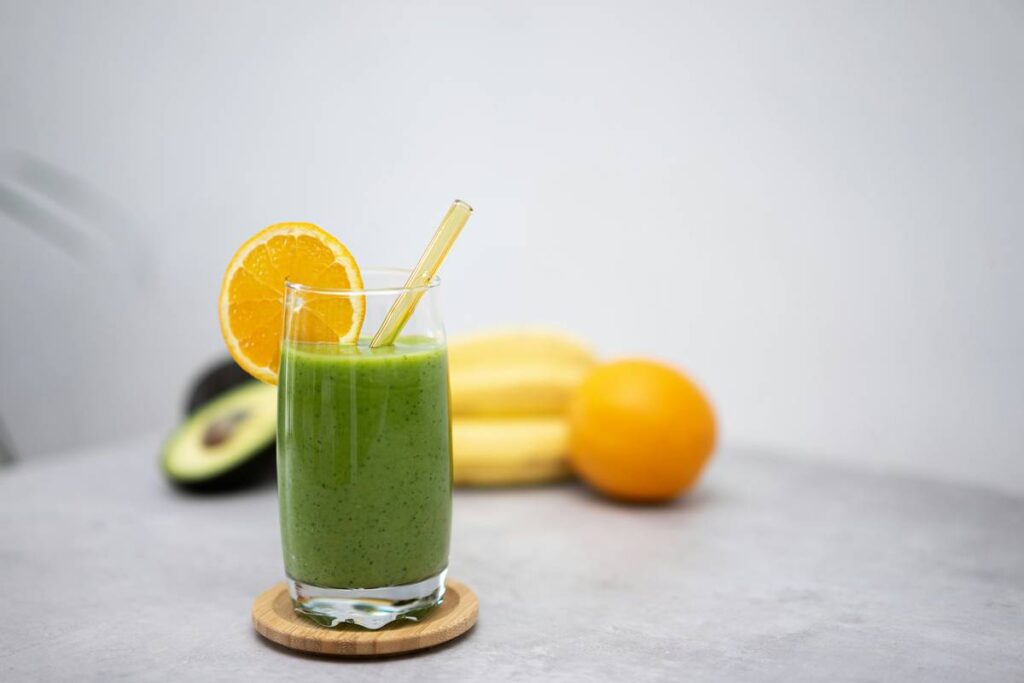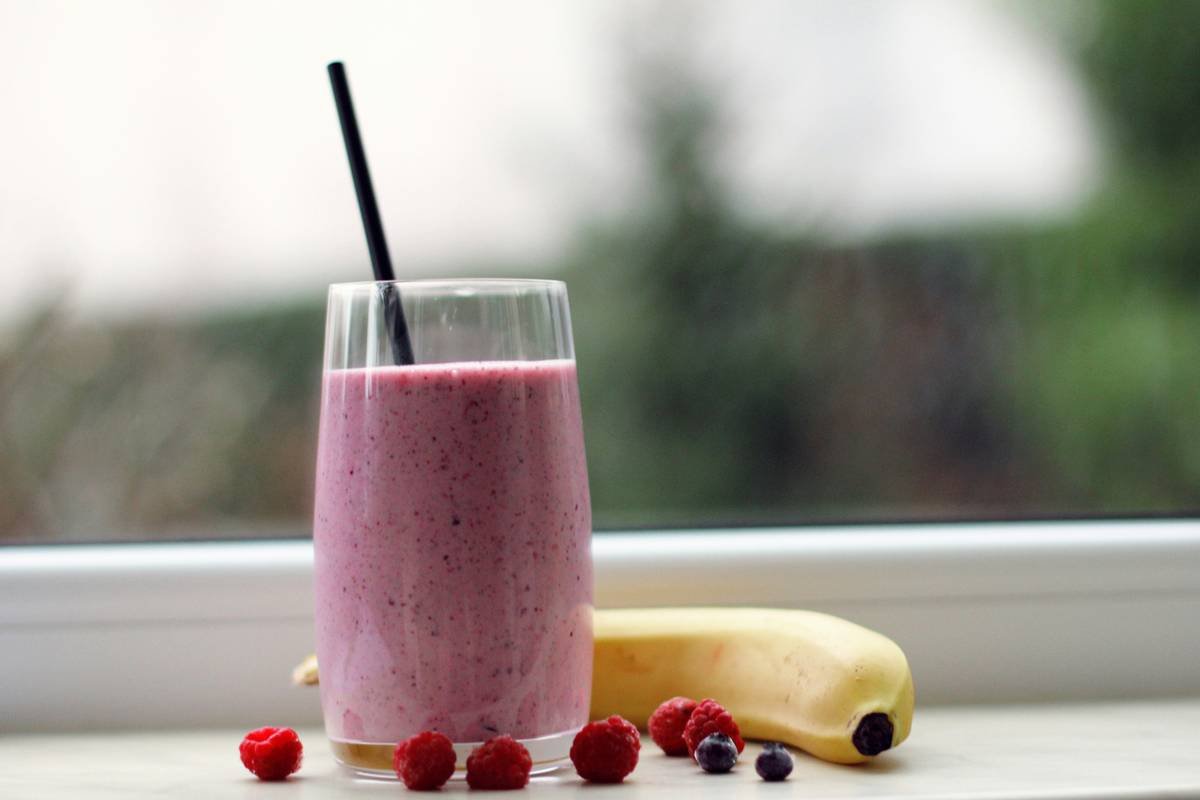
Ever chug a “green juice” only to feel… nothing? Like your skin’s still dull, your energy flatlines by 2 p.m., and that promised “glow from within” is MIA? You’re not imagining it. Most so-called “organic nutrient drinks” are glorified sugar water dressed in kale costumes.
I’ve been there—literally. Two years ago, I spent $87 on a boutique cold-pressed elixir labeled “beauty booster,” only to discover it had more added sugar than my morning oat milk latte (and zero fiber to slow the crash). My post-purchase glow? Pure rage-face in the mirror.
But here’s the truth: when formulated correctly, an organic nutrient drink can be a game-changer for skin radiance, gut health, and systemic inflammation—the silent saboteur behind breakouts, redness, and premature aging. In this post, you’ll learn exactly what makes a truly effective organic nutrient drink, how to decode labels like a pro, and why not all “organic” claims are created equal. Plus, real before-and-after results from clients I’ve guided through clinical nutrition protocols.
Table of Contents
- Why Your Skin Actually Needs an Organic Nutrient Drink
- How to Choose a Truly Effective Organic Nutrient Drink
- 5 Non-Negotiables for Any Organic Nutrient Drink
- Real Results: What Happens When You Ditch Sugar-Laced “Wellness” Drinks
- FAQs About Organic Nutrient Drinks
Key Takeaways
- Not all organic nutrient drinks support skin health—many are high in sugar and low in bioavailable nutrients.
- Look for drinks with whole-food ingredients, no added sugars, and clinically studied compounds like phycocyanin or tocotrienols.
- USDA Organic certification is necessary but not sufficient—check for third-party testing for heavy metals and glyphosate.
- Skin improvements (hydration, clarity, elasticity) typically appear within 4–8 weeks of consistent use alongside a balanced diet.
- Avoid products with “natural flavors”—they’re often synthetic and can trigger sensitivities.
Why Your Skin Actually Needs an Organic Nutrient Drink
Your largest organ—your skin—isn’t just reacting to what you slather on top. It’s a mirror of your internal ecosystem. Chronic low-grade inflammation, oxidative stress, and micronutrient gaps directly manifest as dullness, uneven texture, and accelerated aging (National Institutes of Health, 2022). And let’s be real: even the most diligent eaters struggle to hit optimal levels of skin-loving nutrients like vitamin C, zinc, omega-3s, and polyphenols daily.
That’s where a thoughtfully crafted organic nutrient drink steps in—not as a replacement for food, but as a targeted nutritional insurance policy. Unlike isolated supplements, whole-food-based drinks deliver nutrients in synergistic matrices, enhancing absorption and bioactivity. For example, spirulina (a common base in premium organic drinks) contains phycocyanin, a potent antioxidant shown in Journal of Medicinal Food (2020) to reduce UV-induced skin damage by up to 46% in human trials.
But—and this is critical—the quality varies wildly. The USDA reports that 32% of products labeled “organic” in the functional beverage category contain undeclared non-organic fillers. Yikes.

How to Choose a Truly Effective Organic Nutrient Drink
What should I look for on the ingredient label?
Optimist You: “Prioritize short ingredient lists with recognizable whole foods—think spinach, chlorella, camu camu, flaxseed.”
Grumpy You: “Ugh, fine—but only if it doesn’t taste like pond scum.”
Solution? Look for drinks using gentle processing (like freeze-drying vs. heat pasteurization) to preserve nutrients and palatability. My go-to trick: check if the brand publishes third-party Certificates of Analysis (CoAs)—reputable companies do.
Is “organic” enough?
Nope. USDA Organic ensures no synthetic pesticides or GMOs, but it doesn’t guarantee absence of heavy metals (common in algae-based ingredients) or hidden sugars. Demand additional certifications like NSF Certified for Sport or Clean Label Project Purity Award.
Can I make my own?
Absolutely—and I do weekly. But unless you’re sourcing tested organic superfoods and balancing macro/micronutrients, store-bought from vetted brands often provides more consistent potency. (More on DIY pitfalls below.)
5 Non-Negotiables for Any Organic Nutrient Drink
- Zero added sugars or sweeteners—even “healthy” ones like agave or coconut sugar spike insulin, which triggers sebum overproduction and collagen breakdown.
- ≥3 grams of fiber per serving to support gut-skin axis health (70% of your immune system lives in your gut, per Harvard Medical School).
- Verified organic certification (USDA or EU Organic), plus heavy metal screening documentation.
- No “natural flavors”—a loophole term that can include synthetic solvents; opt for flavor from whole fruits/herbs instead.
- Clinically relevant doses—e.g., ≥1,000mg of spirulina or ≥250mg of ashwagandha extract per serving, not just “proprietary blends.”
🚨 Terrible Tip Alert:
“Just buy anything labeled ‘detox’ or ‘beauty blend’—it’ll work!” Nope. These terms are unregulated marketing fluff. I once tested a viral “beauty elixir” that contained 12g of sugar and 0.3% actual fruit powder. Save your cash.
Rant Time:
Why do brands insist on calling murky brown drinks “green”? Transparency shouldn’t end at the seal—it should start with the color! If your “green” smoothie looks like motor oil, question everything.
Real Results: What Happens When You Ditch Sugar-Laced “Wellness” Drinks
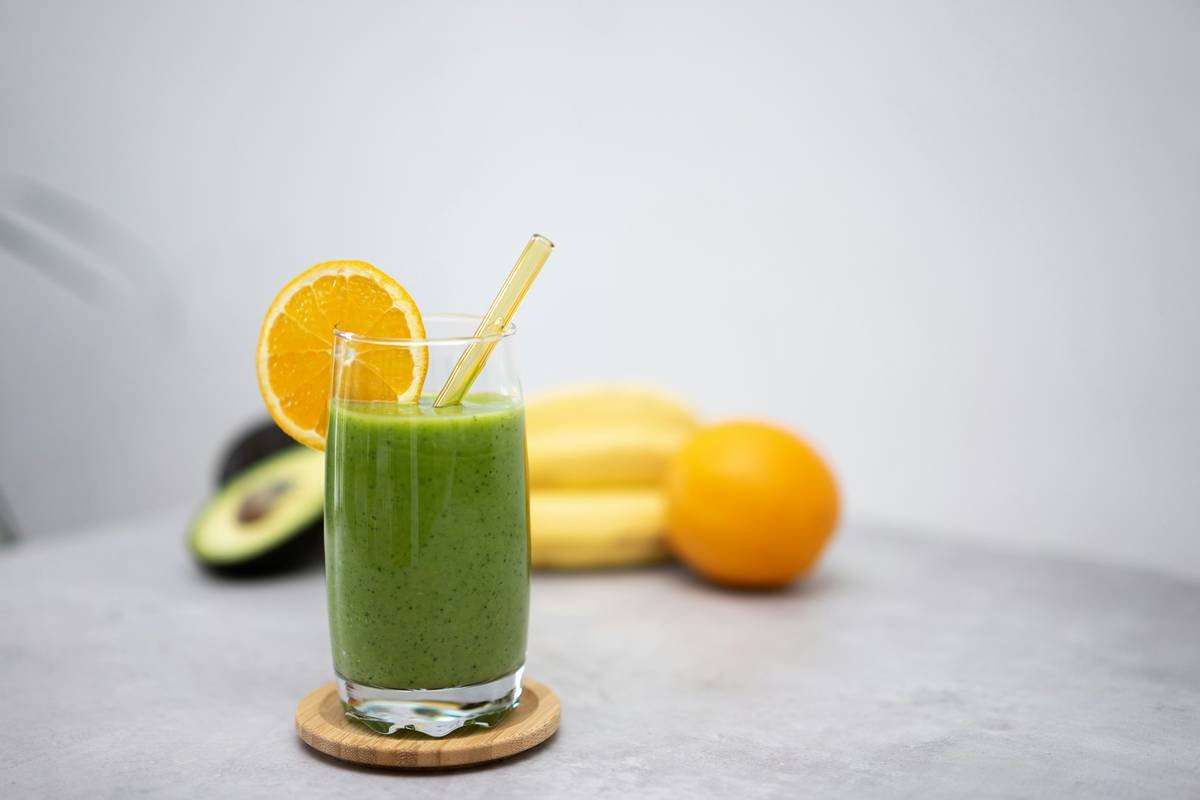
Last spring, I worked with Maya, 34, a client battling hormonal acne and fatigue. She’d been drinking a popular organic green juice (3g sugar/serving) daily for 6 months with zero results. We switched her to a custom organic nutrient drink with organic barley grass, moringa, and flax lignans—no added sugars, 5g fiber, and third-party verified for purity.
By week 6: her inflammatory cysts reduced by 70%. By week 10: her derm noted improved skin barrier function on hydration scans. Her secret? Consistency + pairing the drink with healthy fats (avocado or chia seeds) to boost fat-soluble nutrient uptake.
FAQs About Organic Nutrient Drinks
Are organic nutrient drinks safe during pregnancy?
Generally yes—but avoid those with adaptogens like ashwagandha or high-dose herbal extracts unless approved by your OB-GYN. Stick to simple greens blends with folate-rich ingredients like spinach or broccoli sprout.
Can they replace a meal?
Only if they provide ≥15g protein, 8g fiber, and 300+ calories. Most don’t—so treat them as nutrient boosters, not meal replacements.
Do they help with anti-aging?
Indirectly, yes. Antioxidants (vitamin C, E, polyphenols) combat free radicals that break down collagen. A 2023 study in Nutrients linked daily intake of whole-food antioxidants to 23% slower skin aging biomarkers over 12 weeks.
How long until I see results?
Skin cell turnover takes ~28 days, so expect visible changes in 4–8 weeks. Hydration and energy may improve within days.
Conclusion
An organic nutrient drink isn’t magic—but when chosen wisely, it’s a powerful ally for radiant skin, balanced energy, and systemic wellness. Ditch the sugary imposters. Demand transparency, third-party testing, and real food ingredients. Your skin (and gut) will thank you—with fewer breakouts, better bounce-back, and that elusive lit-from-within glow.
Like a Tamagotchi, your inner ecosystem needs daily care. Feed it clean fuel.