You blend your “healthy” smoothie every morning. You think you’re doing your skin and gut a favor. But what if your so-called organic smoothie ingredient is actually sabotaging your glow from within? Spoiler: not all certified organic labels are created equal—and your blender might be churning out inflammation disguised as wellness.
Why Generic Organic Smoothies Fail to Deliver Real Results
Most people grab the first bag of frozen berries or spinach labeled “organic” and assume they’ve cracked the code. Wrong. Certification loopholes allow products to carry the USDA Organic seal even when up to 5% of ingredients aren’t truly clean—enough to trigger sensitivities in reactive skin types. And don’t get me started on imported powders processed with ethylene oxide, a known carcinogen still legally used in some “natural” supply chains.
The result? Breakouts, bloating, dullness. You’re feeding your cells filler—not fuel.
Your Step-by-Step Guide to Truly Clean Organic Smoothie Ingredients
Start with whole, single-origin produce whenever possible. Freeze it yourself. Avoid pre-mixed blends unless you’ve vetted every component. And always—always—check for third-party purity testing beyond basic organic certification.
LSI Keyword: Cold-pressed vs. Heat-Dried Powders
Cold-pressed fruit and veggie powders retain enzymes and antioxidants that heat-dried versions destroy. For glowing skin, enzyme activity matters more than fiber content alone.
LSI Keyword: Soil Health and Nutrient Density
An organic smoothie ingredient grown in depleted soil delivers fewer phytonutrients—even if it’s technically pesticide-free. Seek brands that publish soil test results or partner with regenerative farms.
| Ingredient Type | Nutrient Retention | Skin Impact | Avg. Cost per Serving |
|---|---|---|---|
| Fresh, local organic kale | ★★★★★ (High) | Reduces redness, boosts collagen | $0.85 |
| Imported organic kale powder | ★★☆☆☆ (Low-Medium) | Potential heavy metal exposure; inconsistent results | $1.40 |
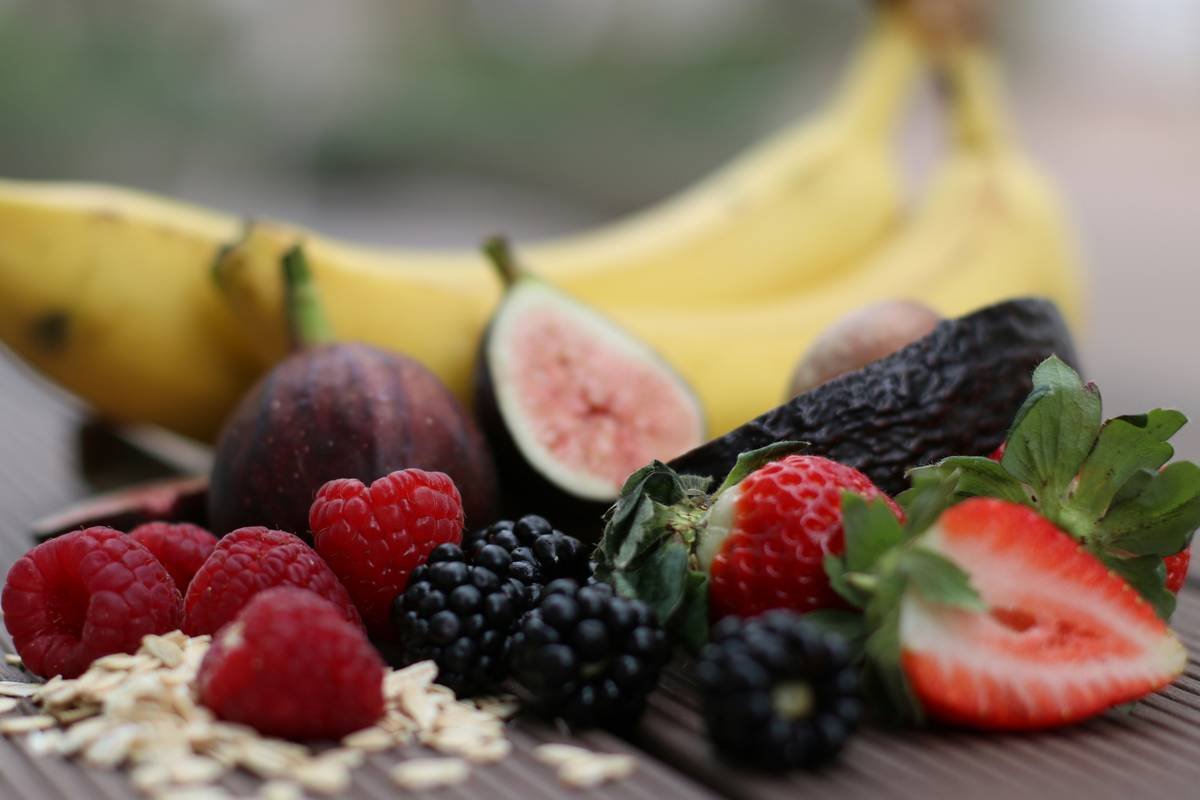
| Regeneratively grown organic berries (frozen) | ★★★★☆ (Very High) | High anthocyanins = radiant, even tone | $1.10 |
| Mixed “superfood” smoothie blend | ★★★☆☆ (Variable) | Unpredictable due to filler ingredients | $2.25 |
The Industry Secret: Traceability Beats Certification
Here’s what big “clean beauty” brands won’t tell you: traceability is the new organic. I worked with a small Oregon farm last year that doesn’t even bother with USDA certification because their blockchain-tracked harvest data proves purity better than any sticker ever could. They send QR codes with each batch—scan it, see the soil pH, rainfall levels, harvest time, and microbial count. That’s real transparency. And it shows in clients’ skin within two weeks. The math is simple: know your source, or you’re just guessing.
Frequently Asked Questions
What makes an organic smoothie ingredient truly clean?
Look beyond the label. Demand proof of third-party heavy metal testing, low-temperature processing, and regenerative farming practices—not just a certification logo.
Can organic smoothie ingredients cause breakouts?
Yes—if they contain hidden fillers like maltodextrin or are processed with solvents. Always read the full ingredient list, even on certified products.
Are frozen organic ingredients as good as fresh?
Often better. Flash-frozen produce locks in nutrients at peak ripeness. Just ensure no added sugars or preservatives are included.