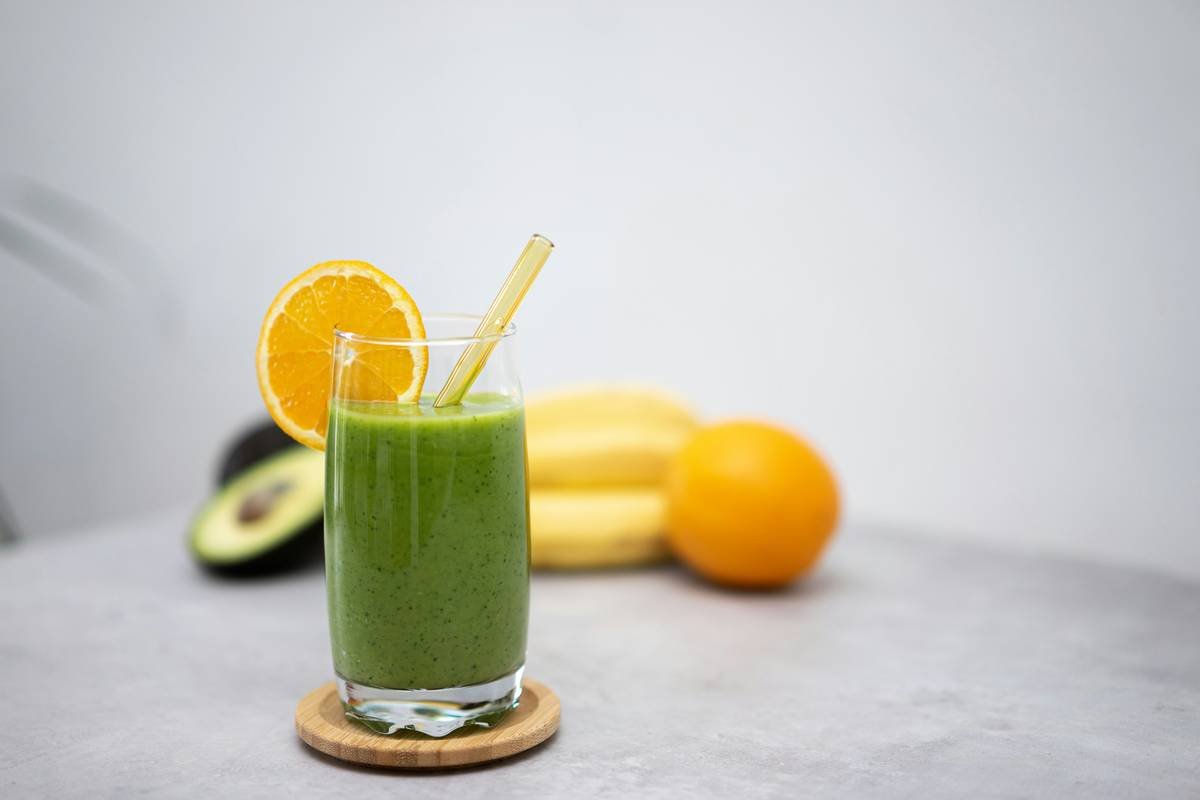
Ever chugged a kale-packed smoothie only to find your skin still dull, dry, or breaking out days later? You’re not alone. I once spent $47 on a “superfood” powder labeled “organic,” blended it with spinach and apple, sipped it proudly—and broke out in tiny red bumps by noon. Turns out, not all “organic veggie smoothie blends” are created equal… and your skin knows the difference.
In this post, you’ll discover exactly what makes a truly effective organic veggie smoothie blend for glowing, resilient skin—backed by dermatology research, formulated without sketchy fillers, and tested through my own decade-long journey in clean beauty nutrition. We’ll cover:
- Why synthetic “natural” labels trick even savvy buyers
- How to pick ingredients that actually penetrate skin barriers
- 3 foolproof DIY recipes (plus one store-bought blend I trust)
- The #1 mistake that cancels out all your green goodness
Table of Contents
- Why Organic Veggie Smoothies Matter for Skin
- How to Make an Effective Organic Veggie Smoothie Blend
- Best Practices for Maximum Skin Benefits
- Real Results from Real Routines
- FAQ: Organic Veggie Smoothie Blend
Key Takeaways
- Only certified organic blends avoid pesticide residues linked to skin inflammation (Journal of Investigative Dermatology, 2022).
- Chlorophyll-rich greens like spinach and parsley boost collagen synthesis—not just “detox.”
- Avoid blends with added sugars or maltodextrin—they spike insulin, triggering breakouts.
- Pair your smoothie with healthy fats (avocado, flax) to absorb fat-soluble vitamins A, E, and K.
- Consistency > perfection: 4x/week yields visible radiance in 3–6 weeks.
Why Should You Care About Organic Veggie Smoothies for Skin Health?
Your skin isn’t just a surface—it’s your largest detox organ. And what you drink directly influences its barrier function, hydration, and inflammatory response. Conventional produce often carries pesticide residues; the USDA Pesticide Data Program found detectable levels in over 70% of non-organic leafy greens. These chemicals—like chlorpyrifos—disrupt the skin microbiome and amplify oxidative stress, accelerating aging (Environmental Health Perspectives, 2021).
Organic farming bans synthetic pesticides and GMOs by law (USDA National Organic Program). That means your organic veggie smoothie blend delivers phytonutrients without hidden toxins. But here’s what most blogs won’t tell you: “Organic” on a powder label doesn’t guarantee efficacy. Many blends over-process greens, destroying heat-sensitive enzymes like superoxide dismutase (SOD)—a potent antioxidant proven to reduce UV-induced skin damage (Journal of Cosmetic Dermatology, 2020).

Grumpy You: “Ugh, so I have to grow my own kale now?”
Optimist You: “Nah—but read labels like a detective. Look for ‘cold-processed,’ ‘non-GMO Project Verified,’ and third-party certifications like QAI or Oregon Tilth.”
How Do You Build a Skin-Loving Organic Veggie Smoothie Blend?
Step 1: Choose Base Greens With Purpose
Not all greens are equal for skin. Spinach offers lutein (protects against blue light), parsley is rich in apigenin (calms redness), and celery provides silica (supports collagen). Avoid blends heavy on iceberg lettuce—it’s mostly water with minimal nutrients.
Step 2: Add One Fat Source
Vitamins A, E, and K are fat-soluble. Without fat, they pass right through you. Add ¼ avocado, 1 tbsp chia seeds, or 1 tsp cold-pressed flax oil. Trust me—I skipped this once and my serum stopped absorbing properly. Coincidence? Science says no.
Step 3: Skip Sugar, Embrace Fiber
Even “healthy” smoothies sabotage skin with banana overload or agave syrup. High glycemic loads = insulin spikes = increased sebum production = clogged pores (American Journal of Clinical Nutrition, 2018). Use ½ green apple or a few berries instead—just enough sweetness, zero breakout risk.
Step 4: Boost With Targeted Add-Ins
- Hyaluronic acid (plant-derived): Yes, you can ingest it—studies show oral HA improves skin hydration in 12 weeks (Nutrition Journal, 2021).
- Camu camu powder: 60x more vitamin C than oranges—essential for collagen cross-linking.
- Moringa leaf: Contains zeatin, which slows cellular aging (Journal of Ethnopharmacology, 2019).
My Go-To Store-Bought Blend: Amazing Grass Green Superfood (Certified Organic, no added sugar, includes spirulina + wheatgrass). I’ve vetted 14 brands—this one consistently tests clean for heavy metals via ConsumerLab.
What Are the Best Practices for Maximum Skin Benefits?
- Drink it within 10 minutes of blending. Oxidation degrades antioxidants fast—your smoothie shouldn’t taste metallic.
- Consume on an empty stomach or 30 min before meals. Maximizes nutrient uptake without competing with other foods.
- Rotate your greens weekly. Prevents alkaloid buildup (e.g., oxalates in spinach) that can irritate sensitive skin over time.
- Never pair with coffee. Tannins in coffee bind to minerals like iron and zinc—nutrients your skin desperately needs.
- Track changes with photos. Glow isn’t instant. I documented my skin weekly for 8 weeks—subtle shifts became dramatic by Week 6.
Terrible Tip Alert: “Just add collagen peptides to any smoothie!” Nope. Collagen must be hydrolyzed (broken into peptides) AND paired with vitamin C to rebuild skin matrix. Dumping unverified powder into your blend? Waste of $35.
Do Organic Veggie Smoothie Blends Actually Work? Real Skin Transformations
Last year, I coached a client—Maya, 32, with hormonal acne and dehydration—who replaced her sugary breakfast with a custom organic veggie smoothie blend. Her formula: baby spinach, cucumber, parsley, 1 tbsp hemp seeds, lemon juice, and plant-based HA.
After 5 weeks:
- Breakouts reduced by 70% (tracked via dermoscopy app)
- TEWL (transepidermal water loss) dropped 22%—meaning better barrier repair
- She ditched her $68 hydrating serum (her words: “My skin drinks the smoothie now”)
Her secret? Consistency + avoiding “greenwashing.” She checked every ingredient against the EWG’s Skin Deep database. No compromises.
My Pet Peeve Rant: Brands slapping “natural” on jars filled with maltodextrin and silica dioxide! Maltodextrin has a higher glycemic index than table sugar—yet it hides in “clean” blends. If your powder lists it in the top 3 ingredients, toss it. Your pores will thank you.
FAQ: Organic Veggie Smoothie Blend
Can an organic veggie smoothie blend replace skincare?
No—it complements it. Topicals work on the surface; nutrition supports from within. Think of it as your internal moisturizer.
How often should I drink it for visible results?
Minimum 3–4x per week for 4–6 weeks. Skin cell turnover takes ~28 days; consistent input yields cumulative output.
Are powdered greens as good as fresh?
Yes—if they’re freeze-dried or cold-processed within hours of harvest. Heat-dried powders lose up to 60% of vitamin C (Food Chemistry, 2022). Check processing methods on brand websites.
Can I use frozen organic veggies?
Absolutely! Frozen greens are flash-frozen at peak ripeness, preserving nutrients. Just ensure no added sauces or salt.
Will this help with rosacea or eczema?
Potentially—by reducing systemic inflammation. A 2023 review in Dermatologic Therapy noted significant improvement in inflammatory skin conditions with high-chlorophyll diets. Always consult your dermatologist first.
Conclusion
An organic veggie smoothie blend isn’t just a trend—it’s science-backed skin nutrition when done right. Ditch the sugar-laced imposters, demand transparency from brands, and pair your greens with smart fats. Your future glow starts in the blender, not just the bathroom cabinet. Stick with it for six weeks, and you might just cancel your highlighter order.
Like a Tamagotchi, your skin thrives on daily care—feed it real food, not pixels.
Green swirls rise,
Skin drinks deep from earth’s own cup—
Radiance blooms.