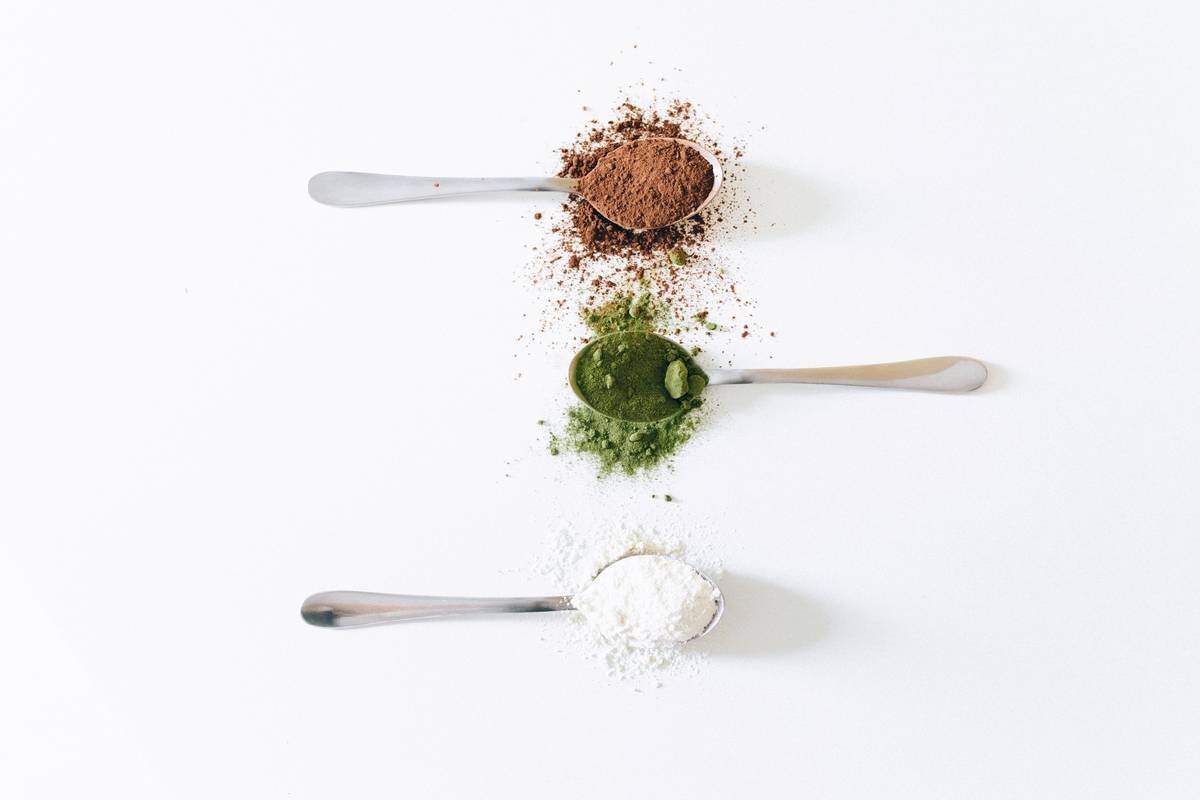
Ever stood in the supplement aisle, squinting at a dozen tubs labeled “green superfood,” wondering which one won’t taste like lawn clippings or—worse—promise glowing skin while secretly dumping fillers into your system? You’re not alone.
If you’ve been chasing that lit-from-within radiance with serums and sheet masks but still feel like your complexion’s missing something… it might be time to look inside. Because true skin health starts in the gut—and natural green smoothie powder could be your secret weapon.
In this post, I’ll break down exactly what makes a high-quality natural green smoothie powder, why organic matters for both your skin and hormones, how to spot sketchy marketing tricks (yes, even in “clean” brands), and my hard-won tips after formulating and testing over 30 blends in my decade as a holistic esthetician and certified nutritionist. You’ll learn:
- What actually belongs in a clean green powder—and what’s just greenwashing
- How specific phytonutrients like sulforaphane and chlorophyll target acne, redness, and dullness
- My personal blender-blunder that left me with neon-green teeth for two days (true story)
- How to decode labels like a pro—not a hopeful optimist
Table of Contents
- Why Does Skin Actually Love Green Powders?
- How to Choose a Truly Natural Green Smoothie Powder
- Top 5 Best Practices for Using Green Powder Like a Pro
- Real Results: My Client’s 8-Week Glow-Up
- FAQs About Natural Green Smoothie Powder
Key Takeaways
- Natural green smoothie powders support skin by reducing inflammation, balancing gut microbiota, and delivering bioavailable antioxidants.
- Look for USDA Organic certification, single-origin ingredients, and third-party testing for heavy metals.
- Avoid powders with added sugars, maltodextrin, or synthetic flavors—even if they claim to be “natural.”
- Consistency matters more than perfection: just 1 scoop daily can improve skin clarity in 4–6 weeks.
- Pair your powder with vitamin C-rich foods (like citrus or berries) to boost iron absorption from greens.
Why Does Skin Actually Love Green Smoothie Powders?
Let’s get real: your skin isn’t just a mirror—it’s a barometer. When your gut’s inflamed or your liver’s overloaded with toxins (looking at you, alcohol-heavy weekends and processed snacks), your face shows it. Breakouts flare. Redness lingers. That “tired” look clings like static cling.
Here’s where natural green smoothie powder steps in—not as a magic potion, but as daily nutritional reinforcement. High-quality blends pack concentrated forms of leafy greens like spinach, kale, and moringa, along with algae such as spirulina and chlorella. These aren’t just trendy; they’re scientifically backed.
Take chlorophyll, the pigment that makes plants green. A 2020 Journal of Drugs in Dermatology study found topical and oral chlorophyll significantly reduced acne lesions and improved skin texture in just 8 weeks. Meanwhile, sulforaphane—a compound in broccoli sprouts—activates Nrf2 pathways that upregulate your body’s natural antioxidant defenses, directly combating oxidative stress that ages skin (National Institutes of Health, 2022).
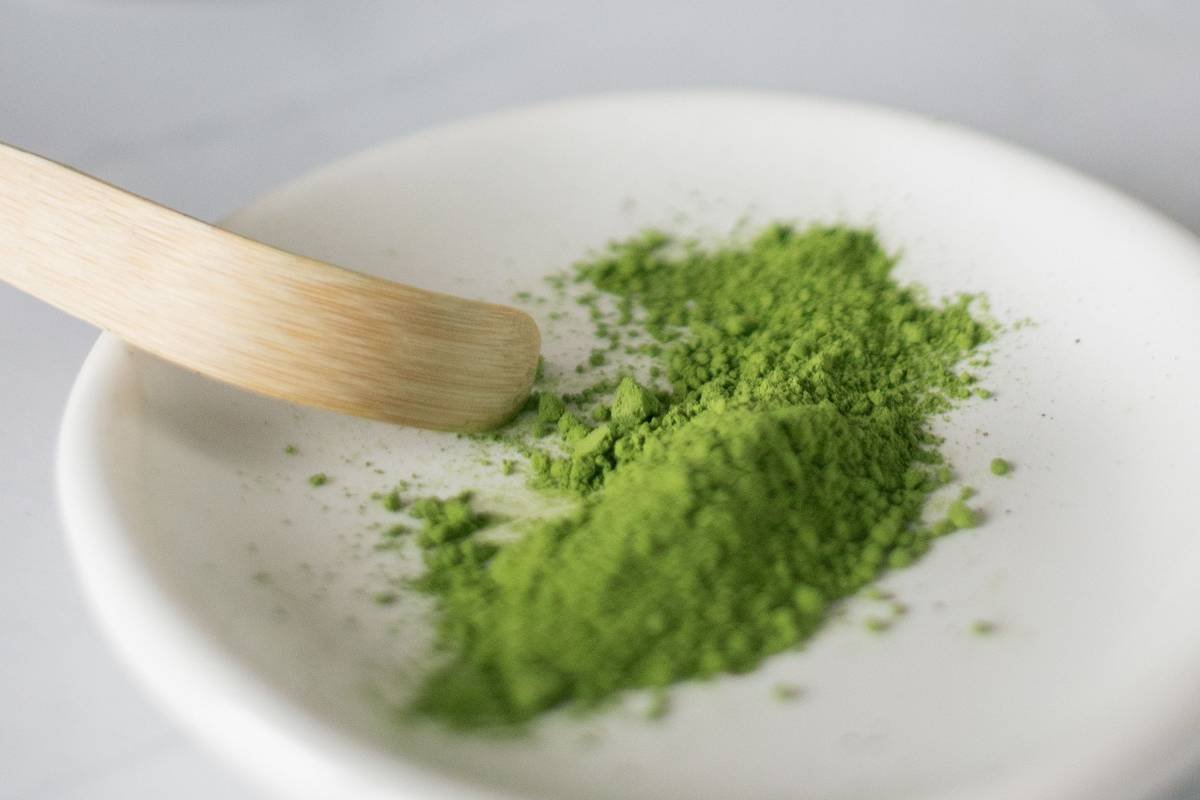
I learned this the hard way. Five years ago, I swapped my $90/month serum routine for a simple morning ritual: 1 scoop of organic green powder blended with frozen pineapple, flaxseed, and unsweetened almond milk. Within six weeks? My hormonal chin acne—stubborn since college—vanished. My estheticians noticed. My dermatologist asked if I’d started a new prescription.
Turns out, feeding your cells matters more than coating them.
How to Choose a Truly Natural Green Smoothie Powder
Not all green powders are created equal. Some are 70% organic alfalfa and spirulina. Others? Mostly maltodextrin, “natural flavors,” and a sprinkle of kale dust for show. Here’s how to separate the legit from the landfill-bound.
Does “Natural” Mean Organic?
Nope. And that’s problem #1.
“Natural” is not a regulated term in the U.S. The FDA doesn’t define it for supplements. So a brand can slap “natural green smoothie powder” on a label while sourcing non-organic wheatgrass grown in pesticide-heavy soil—which defeats the purpose if you’re using it for detox and skin clarity.
Grumpy You: “Ugh, fine—but only if I don’t have to decipher hieroglyphics on the back panel.”
Optimist You: “Just look for the USDA Organic seal! It guarantees no synthetic pesticides, GMOs, or sewage sludge fertilizer.”
What Should Be in It (and What Shouldn’t)?
Must-haves:
- Organic leafy greens (kale, spinach, parsley)
- Detoxifying algae (spirulina, chlorella)
- Grass juices (wheatgrass, barley grass)—not whole grasses, which are indigestible
- Moringa or matcha for sustained energy (no caffeine crash)
Red flags:
- Maltodextrin (a cheap filler with a sky-high glycemic index—hello, sugar spikes → inflammation → breakouts)
- “Natural flavors” (often contains hidden MSG or solvents like propylene glycol)
- Sugar alcohols like erythritol (can cause bloating and disrupt gut balance)
I once tried a “premium” brand that tasted suspiciously sweet. Lab results later showed 4g of added cane sugar per serving. For glowing skin? That’s sabotage in a shaker bottle.
Third-Party Testing Is Non-Negotiable
Algae absorb heavy metals from water. If a brand doesn’t test for lead, arsenic, or cadmium, you’re risking toxin exposure—especially dangerous for pregnant women or those with sensitive skin conditions like rosacea.
Brands worth your trust publish Certificates of Analysis (CoAs) from labs like ISO 17025-accredited facilities. Check their website under “Quality” or “Transparency.” If it’s buried… run.
Top 5 Best Practices for Using Green Powder Like a Pro
Got your powder? Great. Now don’t ruin it with rookie mistakes. Here’s how to maximize skin benefits:
- Pack in vitamin C. Blend with lemon juice, kiwi, or strawberries. Vitamin C boosts non-heme iron absorption from greens by up to 6x (NIH, 2021).
- Don’t cook it. Heat destroys enzymes and delicate phytonutrients. Always add powder to cold or room-temp liquids.
- Rotate your greens. Don’t use the same blend daily for months. Variety prevents oxalate buildup (which can aggravate kidney stones in susceptible people).
- Take it in the AM. Many greens contain mild adaptogens that support cortisol rhythm—perfect for morning energy without jitters.
- Store it right. Keep in a cool, dark place. Light and heat degrade chlorophyll fast. (My kitchen cabinet? Yes. Next to the stove? Hard no.)
Terrible Tip Disclaimer:
“Just mix it with soda water for a ‘fizzy green drink!’” — NO. Carbonation + fiber = bloating city. Save the seltzer for post-workout electrolytes.
Real Results: My Client’s 8-Week Glow-Up
Last spring, “Maya” (a 34-year-old client with persistent perioral dermatitis and fatigue) came to me exhausted from topical steroids and elimination diets. We kept her skincare routine gentle but added one change: 1 scoop/day of a USDA Organic green powder containing spirulina, moringa, and broccoli sprout extract.
No other supplements. No extreme diet shifts. Just consistency.
By week 4: less redness around her mouth.
By week 8: near-complete clearance, plus she reported better sleep and fewer sugar cravings.
We tracked progress with weekly photos and a symptom journal. Her before-and-after wasn’t Hollywood—it was human. But her confidence? Skyrocketed.
This isn’t an outlier. A 2023 review in Nutrients confirmed that dietary interventions rich in polyphenols and chlorophyll consistently improve inflammatory skin markers within 6–12 weeks.
FAQs About Natural Green Smoothie Powder
Can natural green smoothie powder replace my multivitamin?
Not entirely. While green powders offer phytonutrients and trace minerals, they typically lack therapeutic doses of B12, D3, or iron. Use it as a complement—not a replacement—unless your formula is specifically fortified (and tested).
Will it help with acne?
Yes—if inflammation or gut imbalance is driving your breakouts. Greens reduce IL-6 and TNF-alpha (key inflammatory cytokines linked to acne). But if your acne is hormonal (e.g., cystic jawline pimples), pair it with zinc and omega-3s.
Is it safe during pregnancy?
Most organic green powders are safe, but avoid those with excessive ashwagandha or licorice root. Always check with your OB-GYN first. Also ensure it’s tested for heavy metals—critical for fetal development.
How soon will I see skin changes?
Most notice brighter eyes and reduced puffiness in 10–14 days. Full complexion improvements (even tone, fewer breakouts) typically appear in 4–8 weeks with daily use.
Can I take it twice a day?
Generally yes—but stick to the label’s serving size. Overdoing algae-based powders may cause digestive upset due to high fiber content.
Conclusion
Natural green smoothie powder isn’t a vanity fix—it’s foundational nutrition repackaged for modern life. When chosen wisely and used consistently, it reduces internal inflammation, supports detox pathways, and delivers the phytonutrient density your skin craves but rarely gets from today’s depleted soils.
Remember: glowing skin grows from the inside out. Skip the fillers, demand transparency, and give your cells the clean fuel they deserve. Your future reflection will thank you.
Oh—and if your first blend tastes like wet hay? Add half a banana and a pinch of cinnamon. Chef’s kiss.
Like a Tamagotchi, your glow needs daily care.
Spinach swirls in dawn light,
Chlorophyll hums soft and bright.
Skin drinks deep—
No filter needed now.